Chapter 21
The Thread
Purpose is followed, not found.
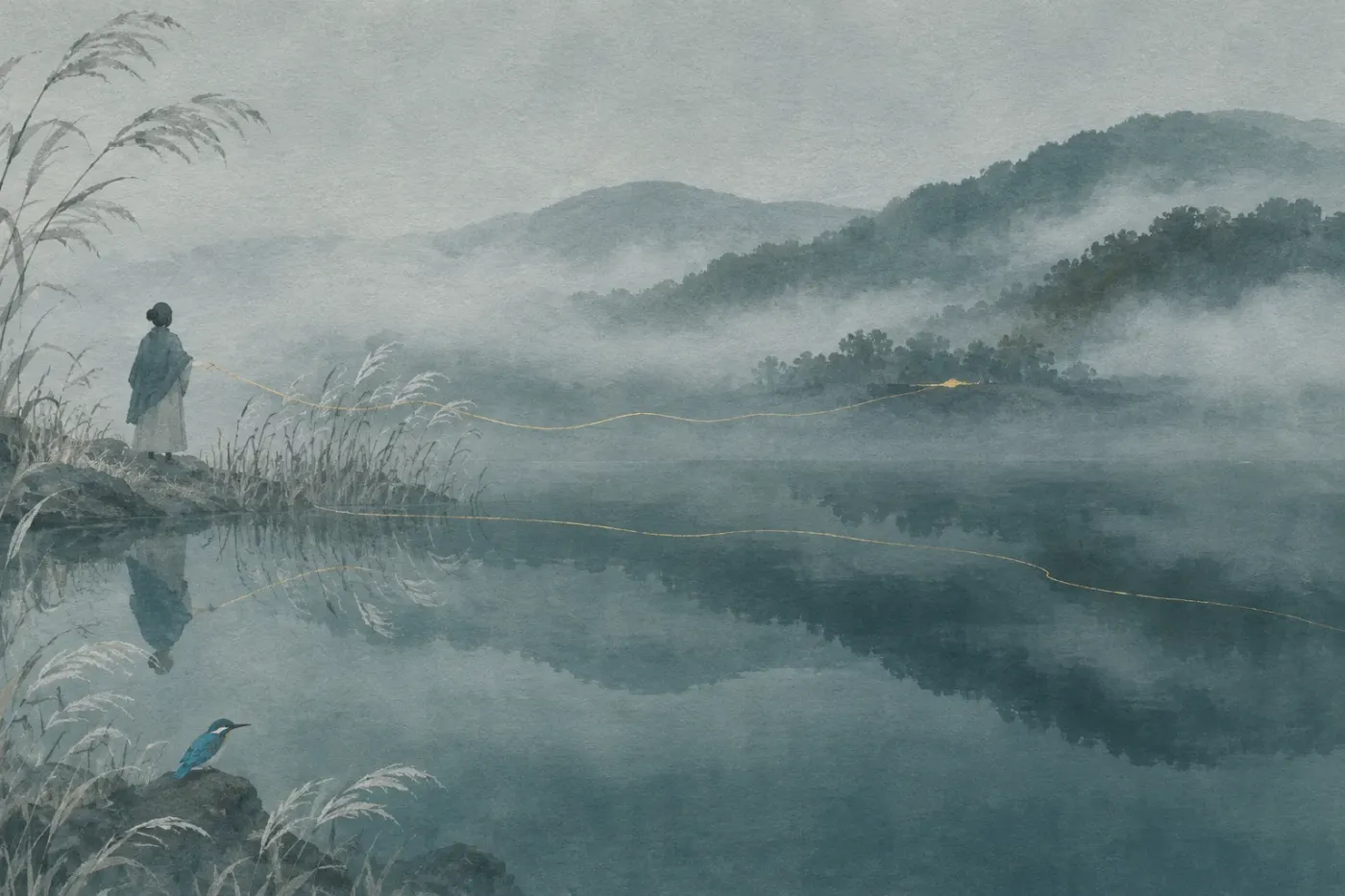
There’s an old picture of a labyrinth: high stone walls and dark corridors that twist and double back into dead ends. Somewhere at the centre is the thing you’ve come for. Somewhere outside is home.
You could stand at the entrance for years, trying to work out the whole route in your head before taking a step. Many people do. They draw maps and ask others for directions, and never go in.
But in the oldest versions of the story, the one who makes it through doesn’t have a map. They have a thin, bright thread to hold in one hand. They don’t need to see the whole labyrinth, only to follow the thread to the next turn.
The question that paralyses
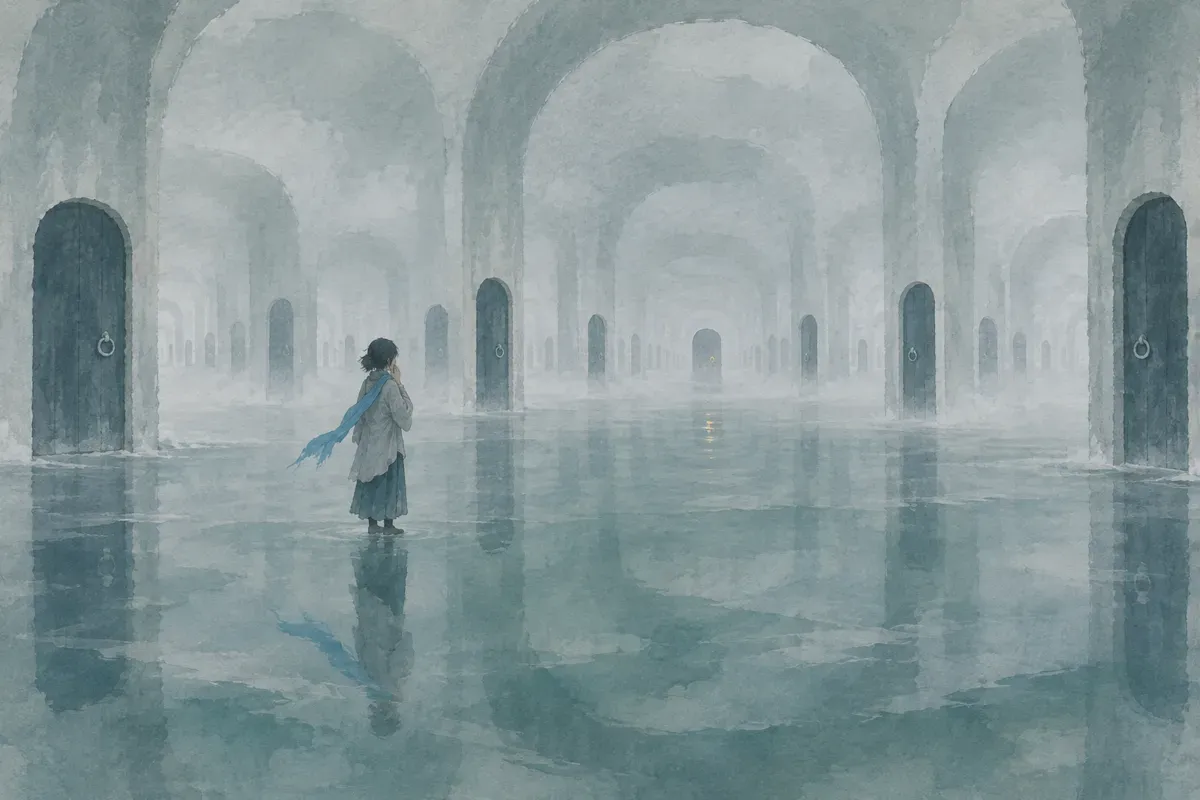
What is my purpose? Few questions cause so much quiet suffering. People ask it at twenty and at sixty. They take tests and journal for months. They wait for a lightning bolt that will reveal, once and for all, what they’re here to do. And while they wait, they do nothing, afraid of choosing wrong.
Here’s a different way to see it. Purpose isn’t a destination you work out. It’s a thread you follow.
Excitement is the thread
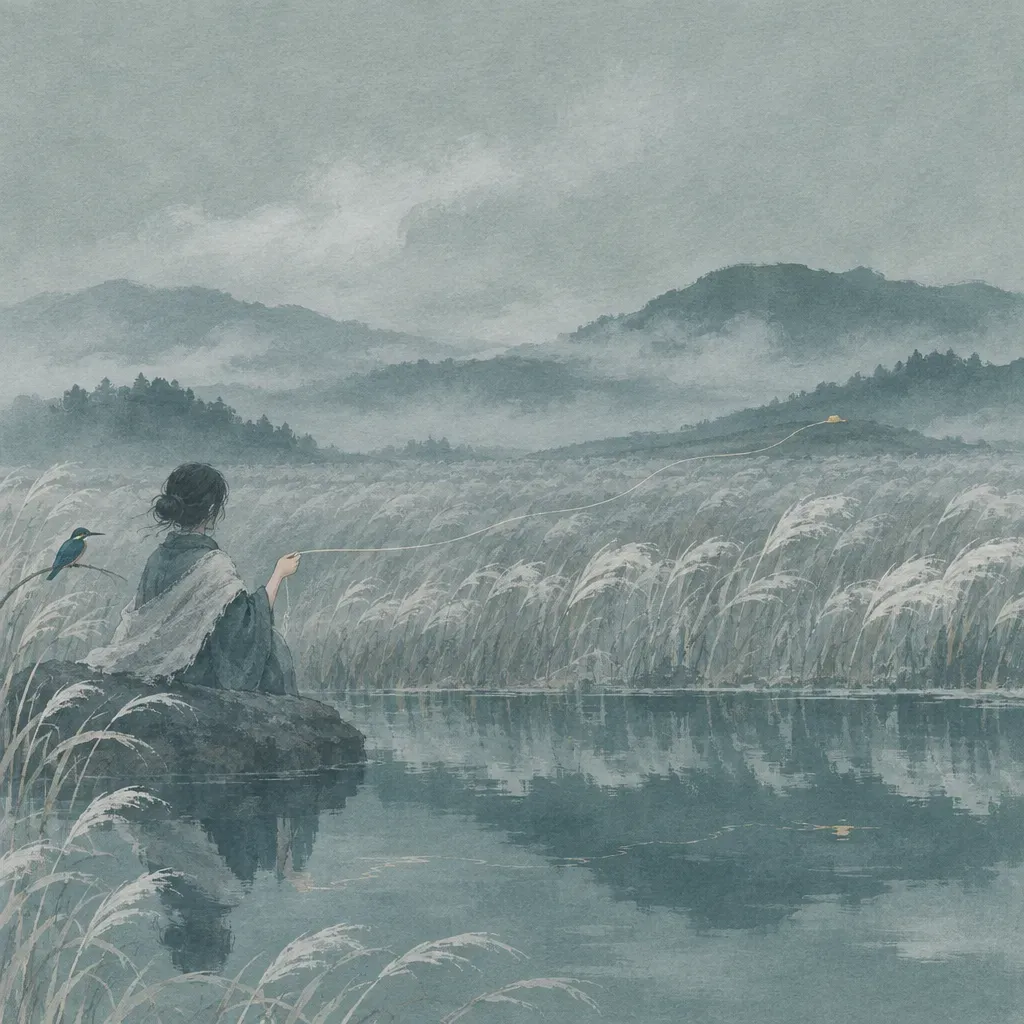
How do you know which way the thread goes? By what excites you. Not excitement in the sense of noise and adrenaline. Something quieter: the pull, the “oh, I’d love to do that.” The thing you think about when you’re not supposed to be thinking about anything, or the task that makes time disappear.
This excitement isn’t random. It’s your compass, pointing toward the life that’s most truly yours. Remember: your emotions show whether you’re facing where you want to go. Excitement is the strongest signal your compass gives. It says: this way. Here is more of you.
Excitement is your purpose, speaking in the present tense.
A closer lookExcitement is your purpose, speaking in…
Purpose usually arrives in our minds as a large future noun: a mission, a calling, a legacy. And so we wait to feel qualified to hold it. But the sentence turns it into a verb in the present tense, and that changes where you look for it.
Right now, today, something is pulling at you. It might be a book you keep touching on the shelf. A neighbour’s garden. A question about how something works. A friend you want to ring. It might look trivial or even silly. But that small pull is the same compass that, over years, writes the long story. You can only ever feel it in the present.
Notice what excitement is not, because it is easy to mistake the loud thing for the true thing. It is not the loud thrill of a screen, nor the adrenaline of a deadline. It is quieter: a leaning forward, a loosening of the jaw, a “oh, I’d love to.” Often it feels a little like being a child at the window.
Try a morning practice, one that takes under a minute and asks nothing of you but honesty. Before you check anything, ask: what, out of everything I could do today, calls me most? Write the first answer. Then give it twenty minutes before you do anything responsible. Read the chapter. Sketch the idea. Walk to the park. Make the call.
You may worry this is indulgent. It is the reverse. A person who follows the pull becomes more alive and, in time, more useful, because aliveness is generous.
Do this for a week and look back at the list. The pattern of your small yeses is already the outline of your purpose, drawn by you, in the present tense.
So follow it. Not the big, vague excitement about some distant dream, the specific one, available right now. Out of all the things you could do today, which one excites you most? Do that. And do it as fully as you can, without needing it to lead anywhere in particular.
Following without insisting
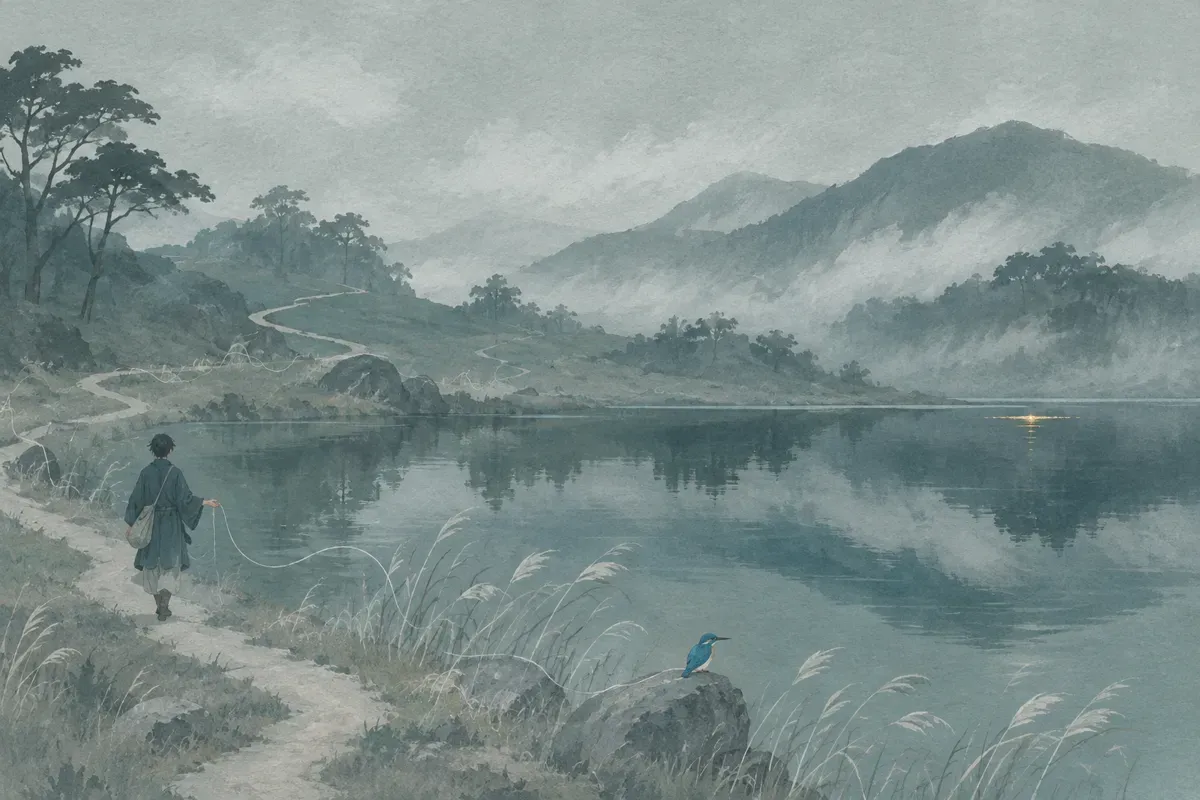
There’s one condition that makes all the difference: follow the thread without insisting on where it goes.
You may feel excited about painting and immediately start insisting: this has to become my career, I have to sell paintings. And suddenly the excitement dies, crushed under the weight of those demands, because you’re gripping again.
The thread doesn’t promise where it leads. It only promises that it leads somewhere that’s yours. The painting might lead to a career, or to a friendship with someone at the art shop who introduces you to a job you’d never have imagined. It might simply bring you joy for a year and then hand you the next thread. All of these are the thread doing its work. So follow your excitement, and let go of where it should take you. Do what lights you up because it lights you up, not because it must become something.
When the thread disappears
Sometimes you’ll follow a thread and it seems to stop. The class you loved gets cancelled, or the excitement simply fades.
Don’t panic. A thread that seems to end has usually just turned a corner. Look around: what excites you now? There’s always something, even if it’s small: a book, a conversation, a walk, a new idea. Pick up that thread instead.
A closer lookA thread that seems to end…
Almost everyone who follows a thread eventually reaches a moment that looks like a wall, a place where the corridor ends, the light goes out, and all your good reasons for coming this far seem to have been wrong. The course ends. The business doesn’t take off. The friendship fades. The thing that lit you up no longer does. It is tempting to read that as a verdict: I was wrong, I wasted it.
Look again from the labyrinth’s point of view. A corridor that turns is not a dead end. It is simply a place where the next stretch is out of sight. The thread hasn’t snapped. It has gone round a corner, and your job is to walk to the corner and look.
Nothing was wasted. The painting you gave up taught you to see light. The job you left taught you what kind of people you want beside you. The class that was cancelled introduced you to someone. These are not consolation prizes. They are the thread doing its real work: leading you to places you could not have planned.
So when a thread seems to stop, do three things. First, thank it, briefly, for what it gave. Second, ask what it taught you about what you like, and write that down. Third, ask: what excites me now? The answer is the next piece of thread, and it is usually not far.
No map. You will get the next turn, and then the next, and each one will be visible only once you have walked to the one before it.
That is all a thread offers. It is enough.
And when you can’t find any excitement at all, when everything feels grey, follow the next most interesting thing, or simply whatever feels a little lighter than the rest. Even the faintest thread is still a thread. Follow it, and it will grow brighter.
A closer lookEven the faintest thread is still…
There are weeks when nothing excites you. The colours go dull, and the question what do I want? returns only a shrug. In those weeks it is easy to conclude that the thread is gone, that the compass is broken, or that you are simply a flat person.
It is much more likely that you are tired, or sad, or have been overstimulated for too long. Excitement is shy, and it needs a little quiet to surface. Do not demand a bonfire. Ember. That is all.
Ask lower questions. Not what thrills me? but what is slightly interesting? Not what lights me up? but what would feel a little lighter than this? Maybe it is a hot shower. A walk to the corner. A song you used to like. A stranger’s accent. Choose it, and give it your full attention for ten minutes.
That small, honest following is how thread returns. Each faint yes teaches your body that it will be heard, and a body that feels heard starts to speak up. In a few days the ember has company.
Also look after the conditions. Sleep. Eat. See one person who is easy to be with. Spend a little time outside, away from screens. A thread cannot be pulled out of an exhausted person, but it comes quickly back to someone who has rested.
If the greyness lasts for weeks and nothing, however small, brings any pull at all, tell a friend or see a professional. That is not a failure of following. It is just the wisest next step.
Purpose is not one thing
Many people imagine purpose as a single grand mission, written in the stars. But for most people, purpose is woven from many threads: the work you love, the people you care for, the small joys you bring to others, the way you see the world and share it.
You may be a gardener who teaches, or an accountant who sings in a choir on Thursdays and comes alive there. There’s no rule that says your purpose must be your job, or that it can’t change.
Your purpose is simply to be fully yourself, to follow what lights you up and, in doing so, to light up the people around you.
The centre of the labyrinth
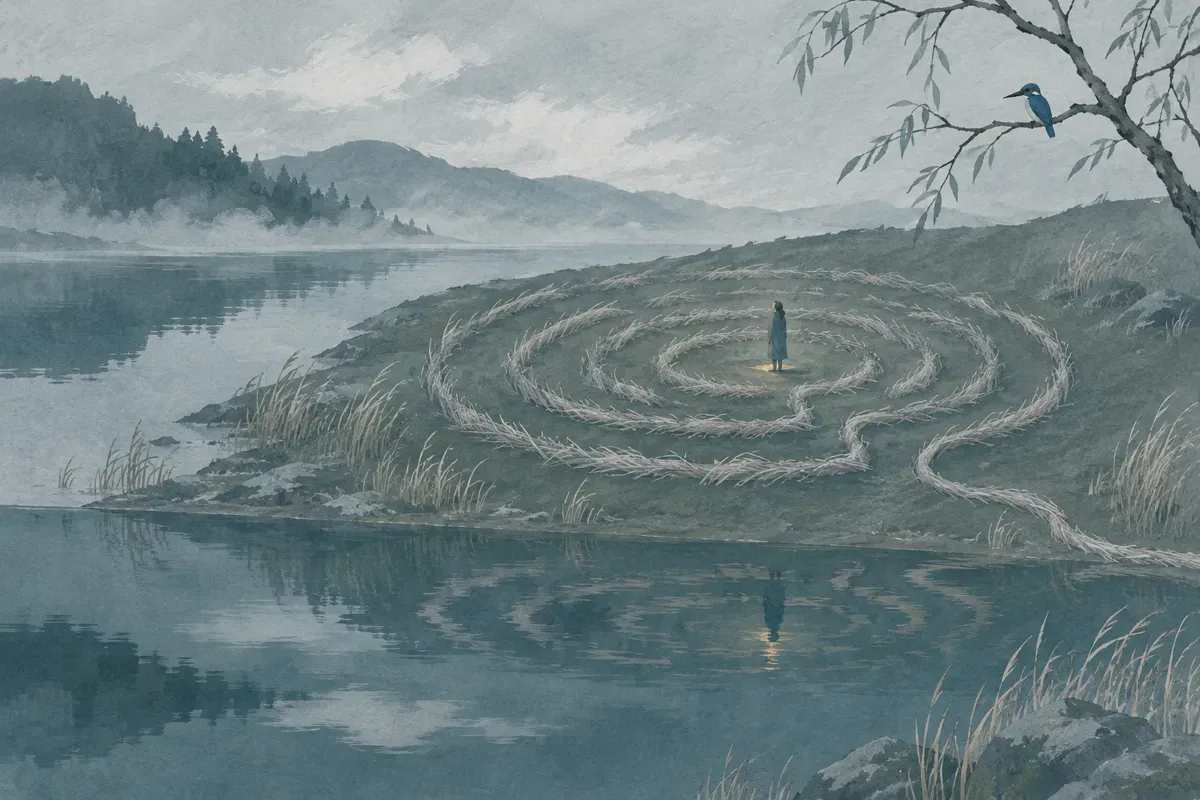
Here’s the secret that the old story hides in plain sight: you never actually reach the centre and stop. The thread keeps going. And somewhere along the way you realise that the centre was never the point. The point was the walking.
The one who holds the thread isn’t lost, even in the darkest corridor. They don’t know where they’ll be in ten years. They know where they’re going next, and nobody has ever needed to know more than that.
Pick up the thread, and follow it to the next turn.
Today, do the one thing that excites you most, as fully as you can, without needing it to lead anywhere.