Chapter 2
The Dreamer Who Forgot
You are not a small person in a big world.
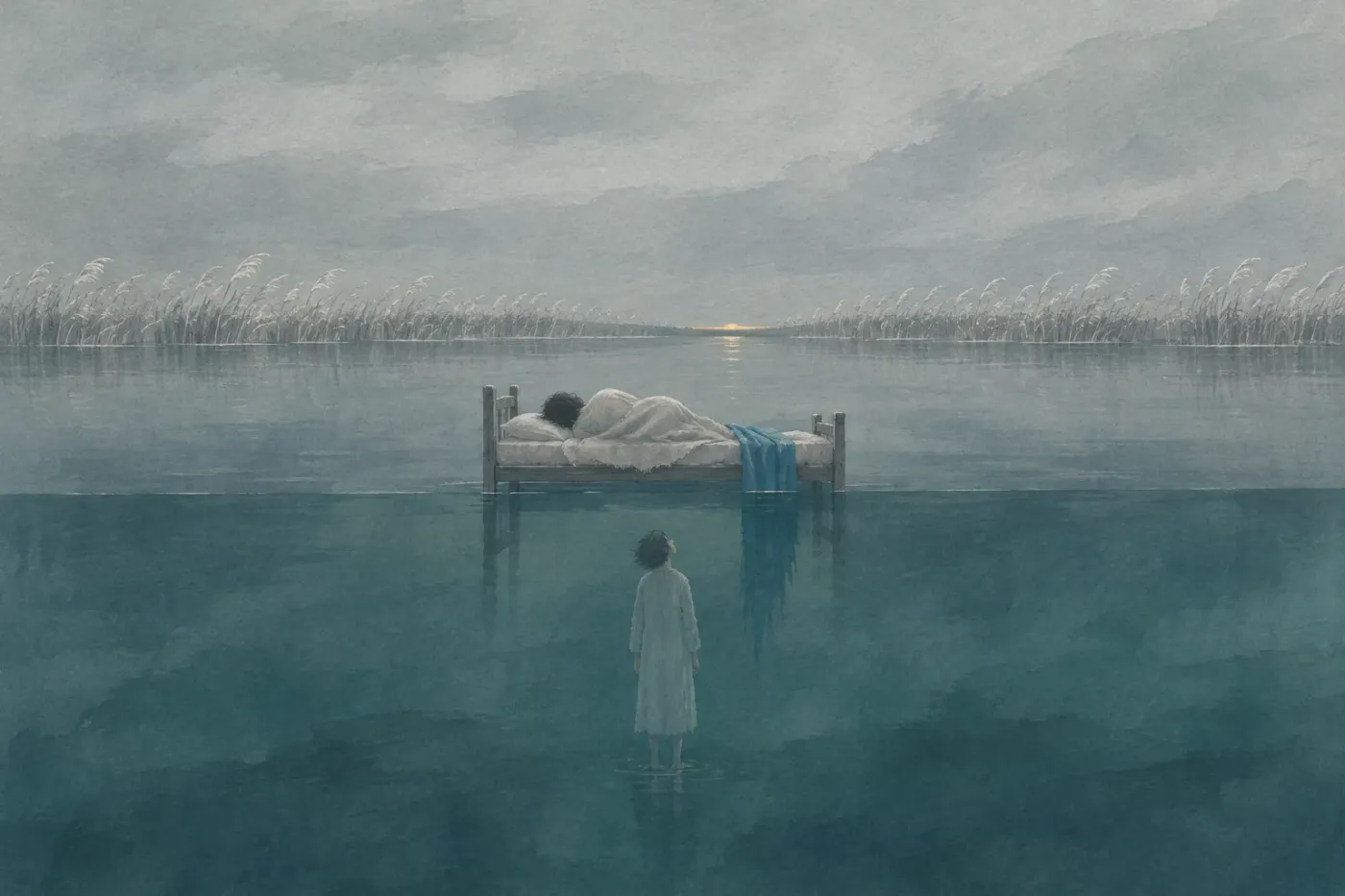
Last night you were somewhere else.
Maybe you were running through a station you have never seen, late for a train that kept changing its platform, or sitting an exam in a subject you never studied. Or someone you lost years ago was sitting at a kitchen table, pouring tea, as if nothing had happened.
While it lasted, it was real. Your heart raced. You felt the dread of the blank exam paper and the warmth of the cup. You didn’t stop to question any of it. You never once thought: this is me, making all of this up.
And yet it was. The station was you, and so was the stranger who gave you wrong directions. The exam and the ticking clock were made out of you, inside you. There was nothing in that dream that wasn’t you. Then you woke up, and it all folded back into the one who was dreaming.
A closer lookThere was nothing in that dream…
Take this sentence out of the dream and bring it into your Tuesday.
In the dream, you were the station, the train, the stranger with the wrong directions. You were also the one who was frightened. Everything was made of one material, and that material was you, which means the only reason it felt like a crowd was that the dream was so skilled at costumes.
Now look at your day with the same eyes. The colleague who irritates you, the neighbour who greets you warmly, the message you are waiting for: each of them appears inside your experience. You never meet anyone outside it, only your impression of them, your reaction to them, and the meaning you give them. That doesn’t make people unreal. It means the only place you have ever met anyone is in your own awareness.
This is not a thought to win an argument with. It is a thought to try on. Next time something upsets you, before you reach for an argument or a defence, ask quietly: “What is this showing me about where I am standing?” Not “What is wrong with them?” The dreamer who finds a stranger menacing in the dream doesn’t need to fix the stranger. The dreamer needs to notice who is dreaming the menace.
Here is a concrete way to use it. Tonight, think of the person who irritates you most. Instead of replaying what they did, ask: “Which part of me is this person playing for me?” Often it is a part you have been asked to hide, or a worry you have been refusing to look at. When you recognise it, the person loosens their grip on you. They become what they always were: a character carrying a message from the dreamer to the dreamer.
The question nobody asks
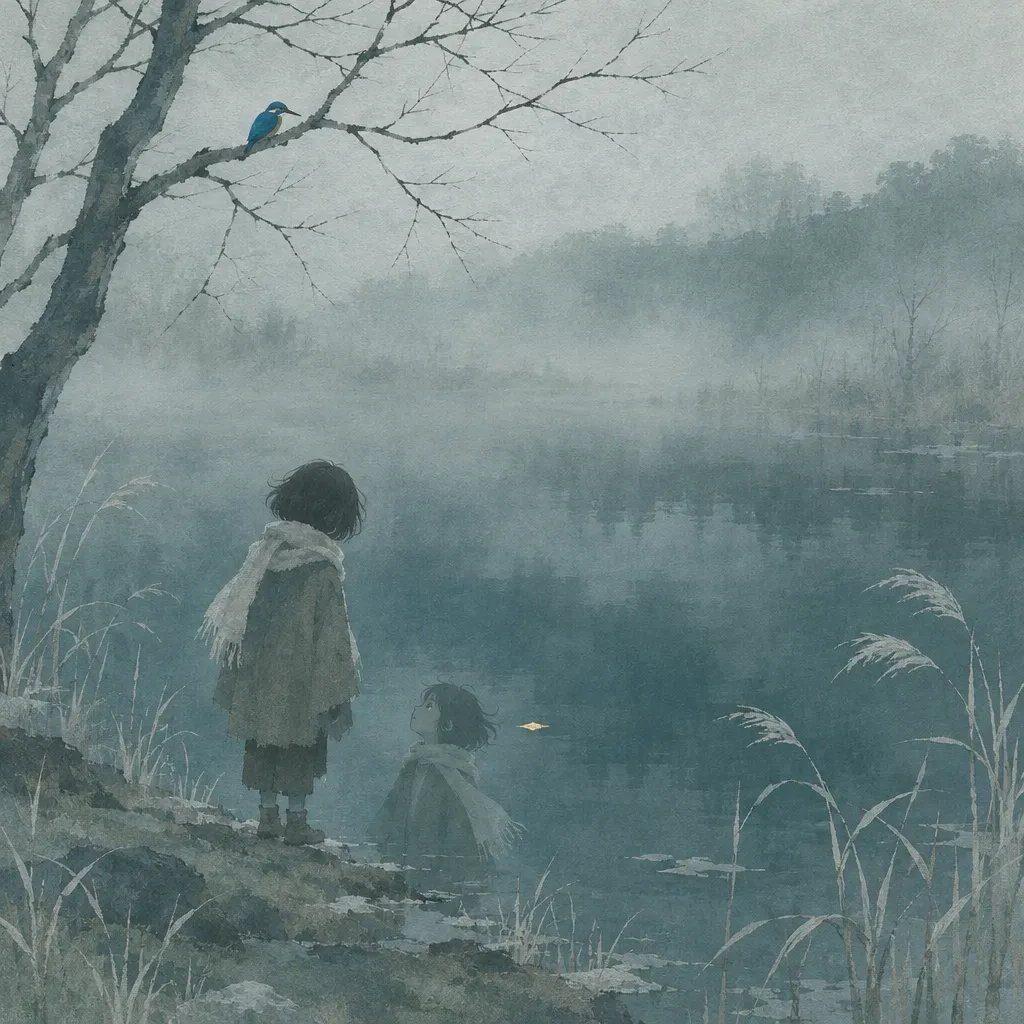
We spend our lives asking what should I do? and what will happen to me? Almost no one stops to ask the question underneath both: who is it that all this is happening to?
You have an answer ready, of course. You have a name. You have a birthday, a face in the mirror, a history, a job, a list of things you are good and bad at. You have a story about where you come from and what kind of person you are.
But notice something. All of these things are things you know about. You know your name and remember your history. Which means there is something in you that does the knowing and the remembering, something that was there before the name was given and will be there after the story changes.
That something is the dreamer, and it is who you are. The character in the dream is the part it happens to be playing.
Why you forgot
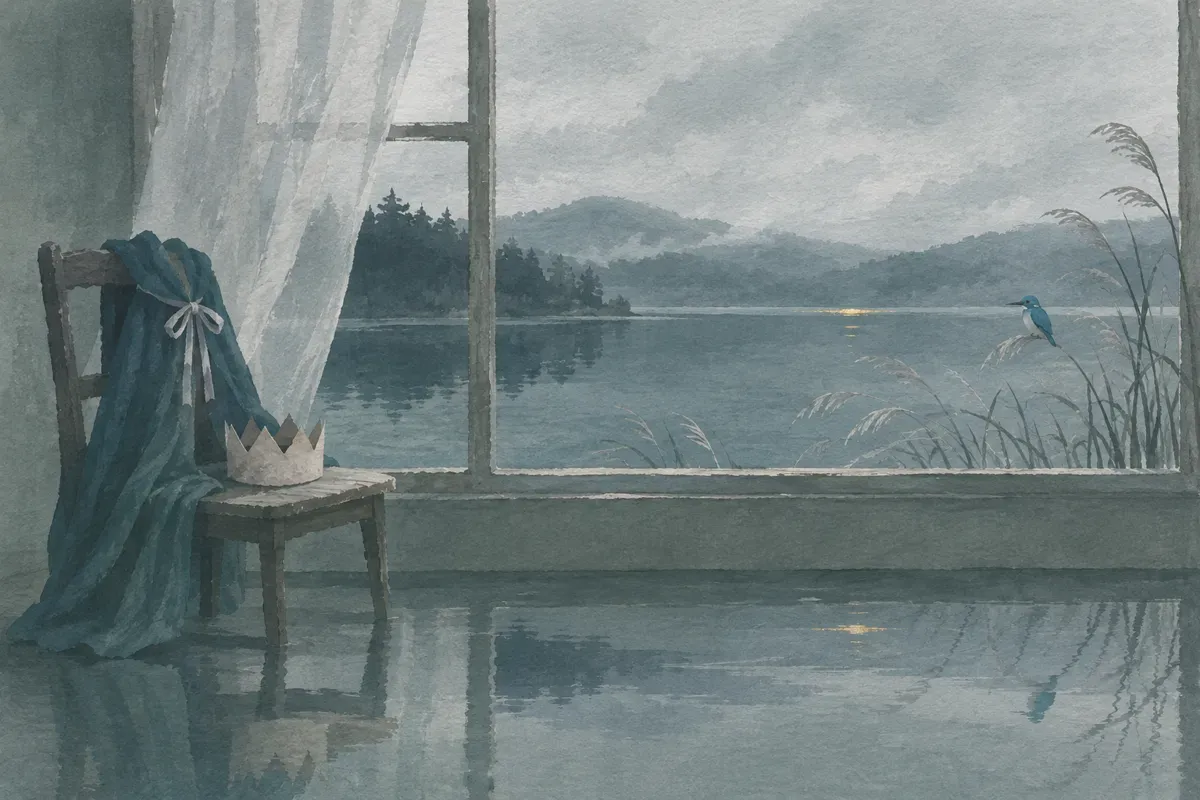
If you are the dreamer, why does it feel so much like being the character? Why does life feel like something you must survive, rather than something you are creating?
Because forgetting is part of the game; it is what makes the game worth playing. Think of a film that moved you to tears. For two hours you forgot the cinema, the seat, the strangers around you, the fact that it was only light on a wall. That forgetting was the whole point. If you had kept reminding yourself these are just actors, this is just light, you would never have felt a thing.
You came into this life the same way. You let yourself sink so deeply into it that it became completely real: the weight of the body, the hunger, the fear, the hope, the love, the distance between people. You agreed to forget that you were the light on the wall, so that you could feel everything the light could show you.
A closer lookYou agreed to forget that you…
Most of us treat forgetting as a mistake, something we did wrong and must now repair. This sentence says the opposite: the forgetting was chosen, and it has a purpose.
Think of the people you envy for being fully alive. They are not the ones who stand outside their lives with a clipboard. They are the ones who are in it: laughing so hard they forget the time, crying without checking whether it is reasonable, falling for someone without a backup plan. Immersion is how aliveness feels, and a dreamer who kept saying “this is only a dream” could never taste the tea.
So you can stop being embarrassed about having forgotten. You are not behind, you are simply in the middle of a very good film, and you are allowed to be moved by it.
The only question is whether you would like to remember while still playing. Not to leave the cinema, but to sit in your seat knowing that you are also the light that makes the picture.
Try this in a small, everyday way. When something moving happens, a child’s laugh, a bus ride in the evening sun, an old song in a shop, let it in completely. Then, for half a breath, add the second thought: “I am the one this is happening in.” Don’t analyse it. Let the two thoughts sit together, the way you can enjoy a meal and be grateful for it at once. That is the beginning of living as the dreamer: full feeling, with a quiet floor underneath.
And somewhere, at the bottom of that forgetting, you left yourself a trail of crumbs back home. A strange calm in the middle of a storm. A moment under a big sky when you suddenly felt larger than your body. A dream you woke from laughing. A book, like this one, that sounds less like news and more like something you once knew.
You were never lost. You were hiding so well that you forgot it was a game.
The character and the dreamer

None of this means your life doesn’t matter, or that you should float above it, unbothered. The character in your dream had a whole adventure. Your character in this life has one too, with real people and real love. The difference is where you live from.
When you believe you are only the character, life is something done to you. You are at the mercy of the plot. You have to fight for every scene and fear every turn. Every setback feels like a sentence, because you can’t see beyond the edge of the stage. When you remember you are the dreamer, you still play the character fully, but you play it from a place of safety. You can feel fear without becoming it. You can lose something without losing yourself. You can face the difficult scene knowing that the one who is facing it cannot be harmed by it, the same way the dreamer is never harmed by the dream.
A closer lookYou can lose something without losing…
This is the line to remember on a hard day.
When you believe you are only the character, every loss is a small death. The job goes, and “I” go with it. The relationship ends, and the person who was “half of us” has nowhere to stand, because your identity was stitched to the thing, and when the thing is pulled away, you feel ripped along with it.
Now picture what changes if your sense of “I” lives one level deeper. The job still ends, and it hurts. You cry. You are frightened about rent. But underneath the crying there is a floor that did not move. Something in you is aware of the hurt, and that something is untouched by it. You are the one watching the weather, not the weather.
This does not make you cold. It makes you steadier, since people who know where their floor is tend to be the warmest in a crisis, because they are not clinging.
Here is what you can do with it. The next time you feel something being taken from you, a plan, a person, a role, say to yourself slowly: “This is happening. And I am the one it is happening to, and I am here.” Put a hand on your chest. Breathe out for longer than you breathe in. Feel how the loss is large, and how you are larger.
Then, and only then, decide what to do next. Decisions made from the floor are very different from decisions made from the falling.
This is why the mirror of the first chapter works. The mirror isn’t something outside you that you have learned to manipulate. It is your own dream, and it reflects its dreamer, so naturally it answers you; nobody else is standing in front of it.
The lucid moment
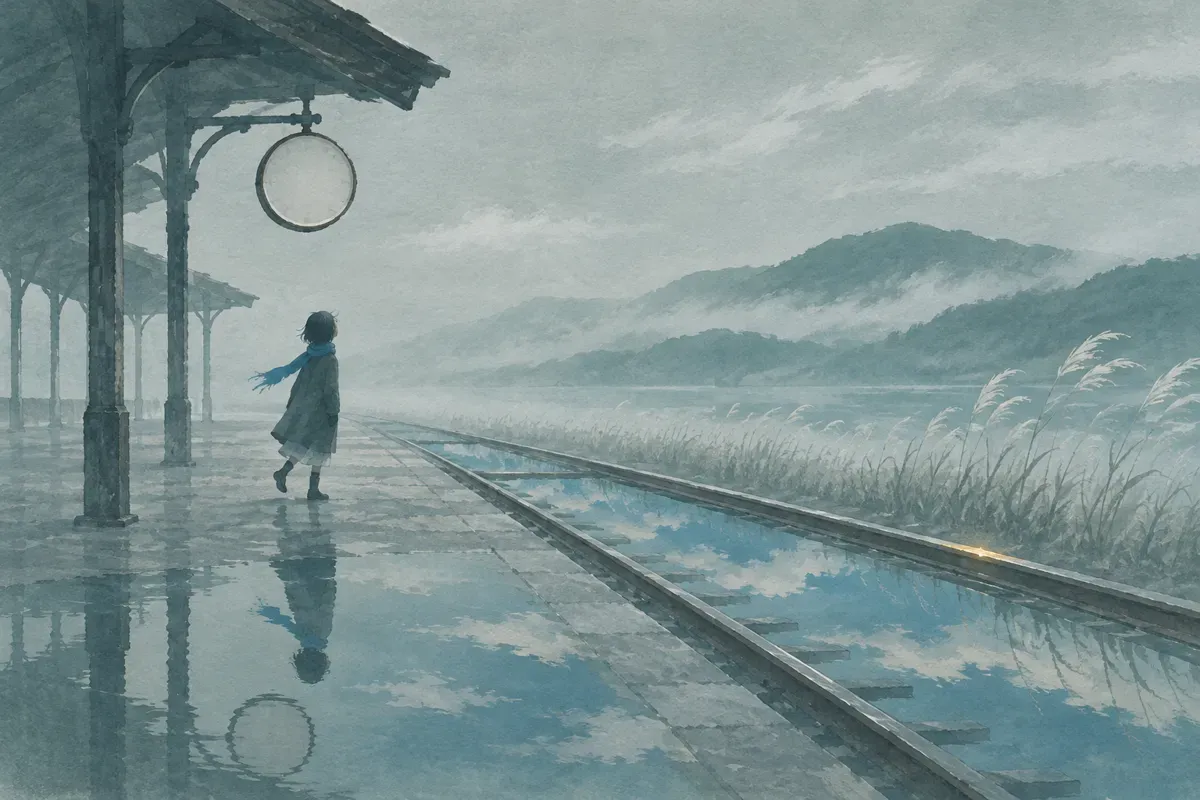
Some people learn to wake up inside a dream. They are running through the station, and suddenly something feels odd: the platform numbers keep changing, the clock has no hands. Then they realise: I’m dreaming. In that instant, everything shifts. The fear drains away and the train no longer matters. They can stop running, and some of them fly. The station is still there; the only thing that changed is that the dreamer remembered.
You can have that moment in waking life too. It rarely comes with fireworks. More often it is quiet: you are in the middle of an argument or a long, worried day, and for one breath you see it: I am the one this is appearing to. I am larger than this. The argument is still happening, but you are no longer trapped inside it.
These lucid moments are the beginning of everything else in this book. Every tool you will learn (the emotions that guide you, the beliefs you can rewrite, the words you choose, the scenes you imagine) works because of this one fact: you are the dreamer, not the dreamed, and a dreamer, unlike a character, is able to change the plot.
Coming back to yourself
You don’t need to believe all of this today. Just leave a door open to it.
Next time you feel small or at the mercy of things, try a simple question: who is noticing this? You don’t need an answer. The question itself is a hand pulling back the curtain.
And when you feel it, even for a moment, that larger, quieter presence behind your eyes, let yourself laugh a little, like the child behind the curtain.
You weren’t lost; you were playing. And now the game gets much more interesting, because you know you can change it.
Today, when the day feels heavy, ask: who is the one dreaming this?