Chapter 11
The Worn Path
Why the old self keeps calling you home.
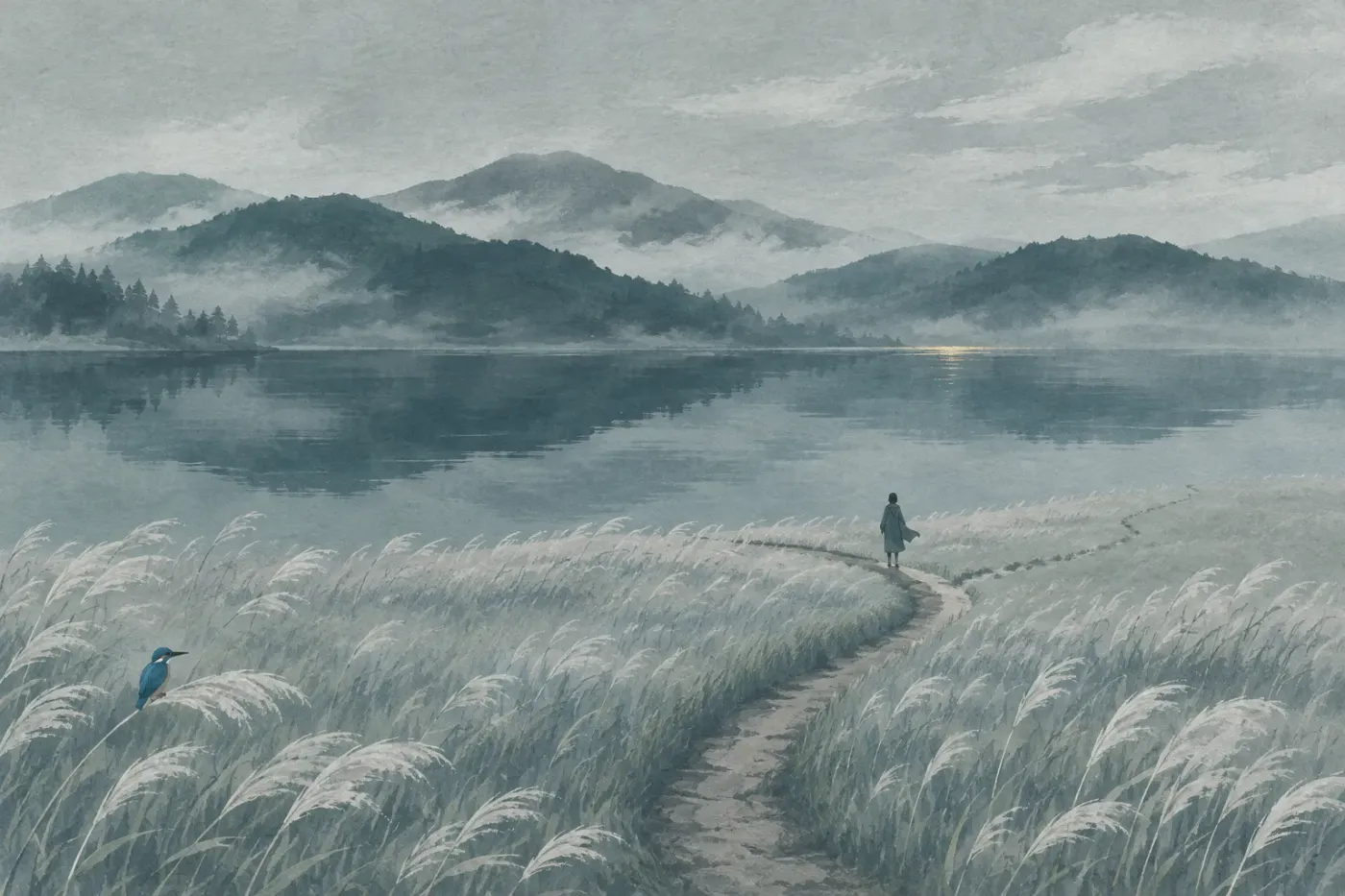
Behind the apartment blocks there is a meadow, and across the meadow runs a path. Nobody built it. There was no plan and no gravel. People simply crossed the grass the same way, day after day, year after year, until the grass gave up and a bare brown line appeared.
Now everyone takes the path without thinking. Mothers with prams use it, and so does the man from the third floor with his old dog. Their feet just go there. In spring the path turns to mud and people still walk it, stepping around the puddles, getting their shoes dirty, because it’s the way.
A few metres to the left there’s a better route: shorter, through a gap in the hedge, past an old apple tree. Almost nobody uses it. The grass there is tall and wet, and it feels like the wrong way even though it isn’t.
The path inside you
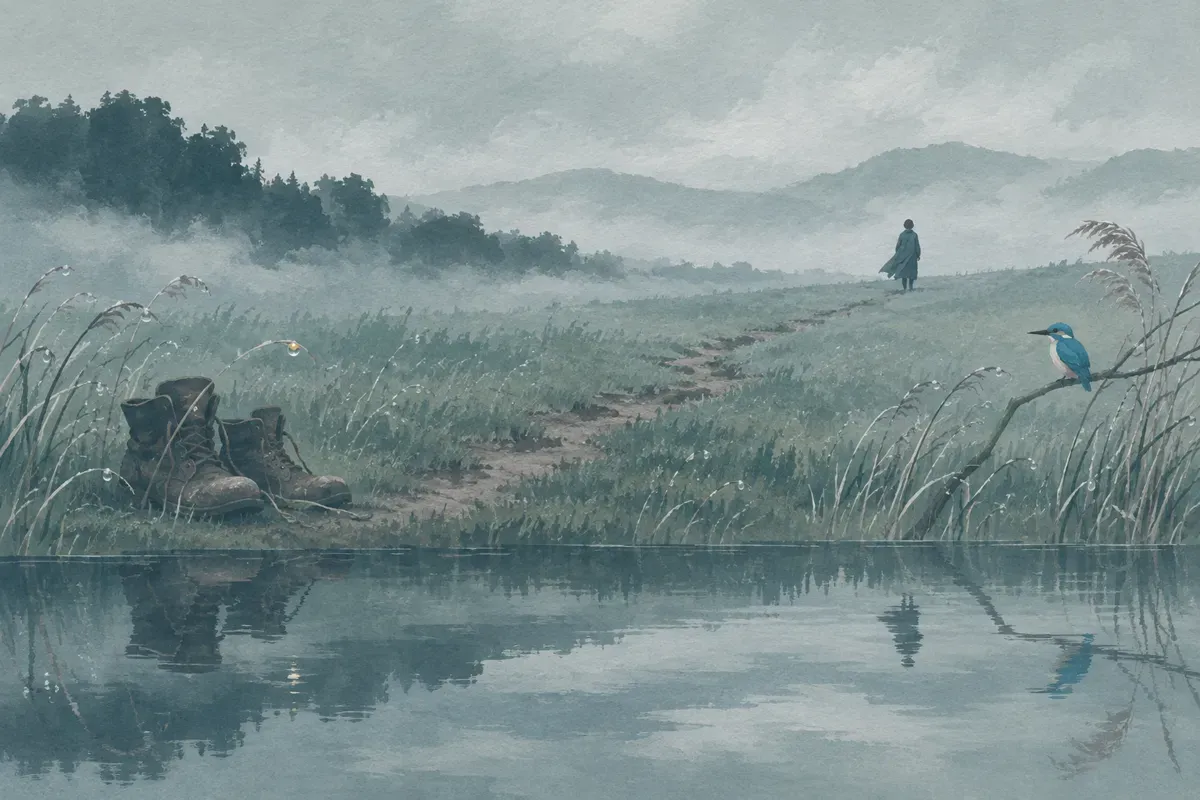
You have paths like this in you. Ways of feeling and reacting that you’ve walked so many times that you no longer choose them. Your feet just go there.
Someone criticises you, and before you think, you’re on the path to shame. Money gets tight, and you’re on the path to panic. You don’t decide to go. You’re simply on it, the way you find yourself driving home on autopilot and arrive without remembering the journey.
Slow one of those walks down and look at it from inside. A colleague glances at your work and says, lightly, “Hm. Interesting choice.” That’s all. Five words, maybe less. And already something has happened in your chest, a small drop, like missing a step on the stairs. Your face warms. Before your mind has formed a single sentence, your body has gone somewhere it knows very well. Then the sentences arrive, and they arrive ready-made, because you’ve said them to yourself a thousand times: I always get it wrong. I should never have tried. By the time you sit back down, the whole afternoon has a grey film over it, and you could not say exactly when you chose that. You didn’t choose it. You were walked, and from the inside, being walked along a worn path feels less like a decision than like the truth.
Why the body pulls you back
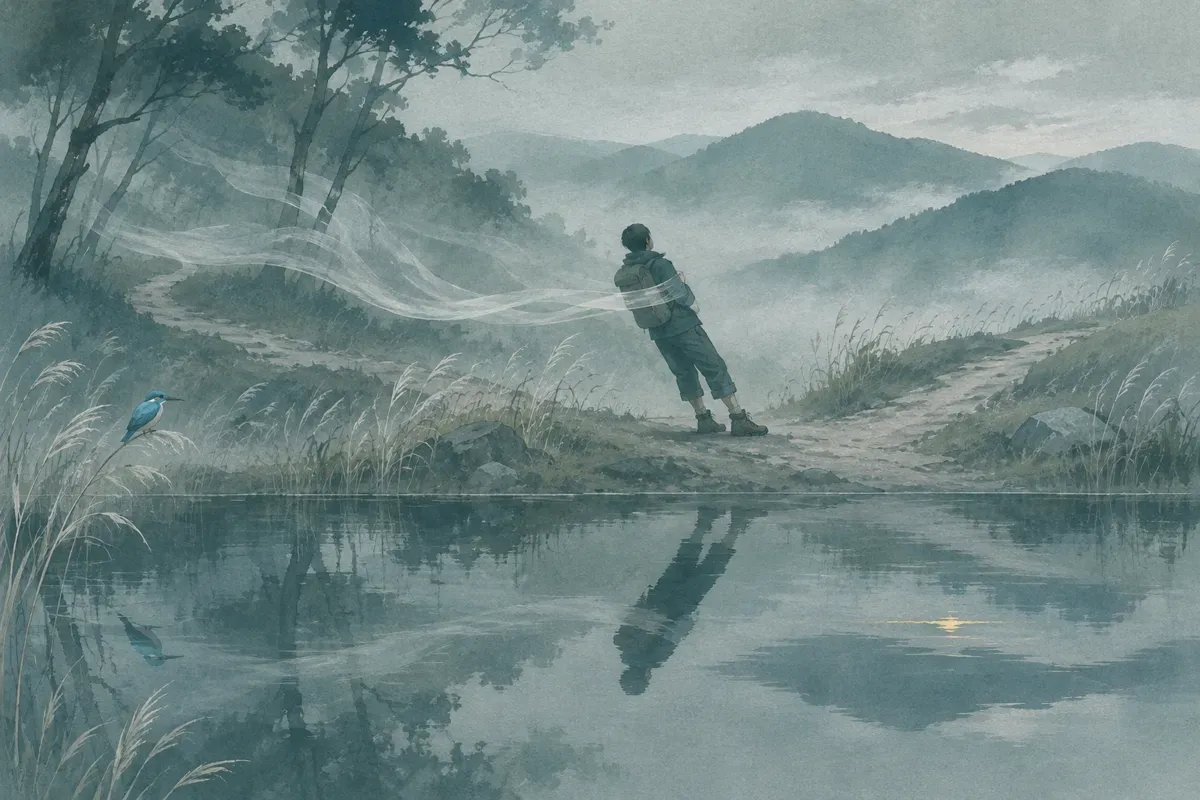
These paths live in your body as much as in your mind. When you’ve felt the same emotion for years (anxiety, say, or resentment) your body gets used to it. It learns that this is normal. In a strange way it begins to expect it, even to look for it. A body used to worry will find something to worry about on a perfectly calm day, because calm feels unfamiliar, almost suspicious.
This is why you can read a wonderful book, feel completely changed, and find yourself back in the old feeling by Wednesday. You didn’t fail; your body simply walked home along the familiar path, the way bodies do.
So when you start to change, expect your body to protest. You may feel restless in calm, or strangely uncomfortable when things go well, as if you’re wearing someone else’s coat. You’ll want to read that discomfort as a warning, and it’s the reverse: it tells you that you’ve left the old ground and are standing in the tall grass.
The unfamiliar will feel wrong before it feels like home.
A closer lookThe unfamiliar will feel wrong before…
This is the line to keep in your pocket for the first three weeks of any change.
Here is what usually happens. You decide to be calmer, or more generous, or more open. For two days it is wonderful. Then something in you grows restless. The calm feels thin, almost boring. The kindness feels like acting. The ease feels suspicious, as if a bill must be about to arrive. And you conclude: this isn’t me. I’m doing it wrong.
You are not doing it wrong. You are feeling the grass. A path that has been walked ten thousand times is not just a habit in your head; it is the smooth, level ground your body knows. Anything else is slightly uphill, even when it is better.
So change the meaning of the discomfort. When the restlessness comes, say: This is what tall grass feels like. I’m in the right place. Treat it the way a hiker treats a steep section, not as a sign to turn back but as a sign that the view is coming.
One practical trick: keep a small note of every time you felt “wrong” doing the new thing and did it anyway. A line is enough: “Spoke slowly in the meeting. Felt strange.” After a few weeks, read it back. You’ll see the strangeness shrinking, entry by entry. That shrinking is the new path forming under your feet, and you will have watched it happen.
Some people find this part hardest when the old path was a painful one. Surely, they think, I’d be glad to leave misery behind. But familiar misery has something going for it: you know every stone on it. You know how the evening goes when you’re sad, which songs you’ll play and who you’ll text. The new path offers none of that certainty. So on the second or third calm evening, you may catch yourself almost missing the old sadness, the way you might miss a bad flat you lived in for ten years. Let yourself notice that, and keep walking the new one anyway.
The moment of choice
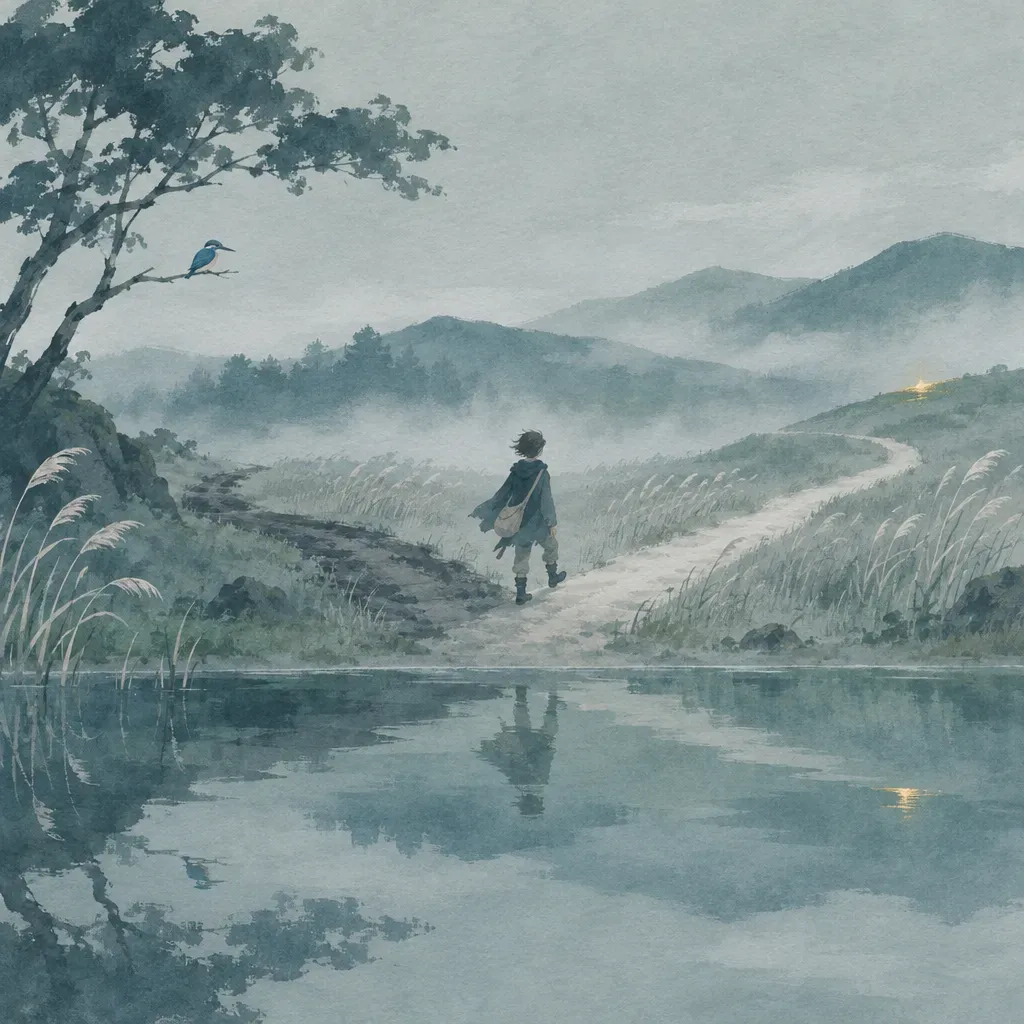
The old path has one weakness. There’s always a tiny moment, just before you step onto it, when you can see it coming.
It might be a fraction of a second. The flush of heat before the angry reply, or the reach for the phone before the scroll that leaves you feeling empty. In that tiny gap, you are not yet on the path. You’re standing at the fork.
At first, you’ll only notice the fork after you’ve walked halfway down the old path. That’s fine. Notice it there. Ah, I’m on the old path again. Then, gently, step off. You don’t need to run back to the start. Just turn into the grass from wherever you are.
A closer lookNotice it there. Ah, I'm on…
The whole art of changing a habit is contained in these few words, and the most important word is gently.
Most of us handle our old paths with a mixture of fury and despair. We catch ourselves snapping, or spiralling, or scrolling, and we add a second injury on top: I did it again. What’s wrong with me? That second voice feels like discipline, but it works in the opposite direction. It makes the path more emotional, more charged, and so more deeply worn. Every scolding is another walk along the track.
Think instead of how you would help a friend who found themselves halfway down the wrong street. You wouldn’t shout. You’d say, “Ah, this way,” and walk with them across the grass.
Practise a three-part move. First, name it: “Old path.” Two words. Second, breathe: one slow breath out, longer than the breath in. Third, step: do the smallest thing that belongs to the new self. Put the phone down. Soften your voice. Open the window. It doesn’t need to be dramatic. It only needs to be a different footstep.
You won’t catch it at the fork at first. You’ll catch it at the end, or the next day. That counts. Catching it late is still catching it, and each time the gap between the walking and the noticing gets shorter. A path doesn’t change in a day. It changes by the number of times you turn.
Most of us don’t do it gently. We catch ourselves halfway through the old reaction and pile a second one on top: Again? After everything I’ve read? What’s wrong with me? That scolding feels like being strict with yourself. In fact it’s another walk along the same path, with extra feeling poured into the ground. Talk to yourself the way you’d talk to a friend who took a wrong turn on the way to your house. You wouldn’t shout down the phone at them. You’d say, “Ah, no problem, turn left at the bakery,” and put the kettle on.
With practice you’ll notice the fork earlier and earlier, until one day you see it right at the edge (the heat, the hand moving toward the phone) and choose the other way, almost without effort.
Know your first step before you need it
Standing at the fork is only half the work. The other half is knowing exactly where to put your foot.
When the heat rises in your face, there’s no time to think up a new self. The old path is ready-made; the new one has to be ready-made too. So decide it now, while you’re calm. Pick one small, physical first step that belongs to the person you’re becoming, and make it so simple you could do it with a dry mouth and a racing heart.
For the colleague and the “interesting choice”, it might be this: breathe out slowly through your nose, and say, “Tell me more.” Two words and a breath. For the money panic, it might be putting both feet flat on the floor and writing down the one number you actually know. For the reach toward the phone, it might be turning it face down and looking out of the window for the length of one breath.
None of these fix anything. They aren’t meant to. They’re the first footprint in the tall grass, and a first footprint is all a path ever starts with. Once you’ve taken it, the next step is much easier to find, because you’re already standing somewhere new.
Write yours down, in one line, and put it where you’ll see it: When I feel the heat, I breathe out and say “Tell me more.” The day it happens, you won’t have to invent anything, only remember.
Walk the new path on purpose
You don’t wear a new path by thinking about it. You wear it by walking it, many times, on purpose, especially when there’s nothing at stake.
A closer lookYou don't wear a new path…
Everyone who reads about change feels the pull to think about it harder. Journal about it. Analyse why the old path exists. Understand, understand, understand. Understanding is real and valuable, and it is also a very comfortable place to stand while the grass stays unwalked.
A path is made by feet. There is no other way. The meadow doesn’t care how well you understand the route; it only records where the weight comes down.
That is why the line goes on to say especially when there’s nothing at stake. The easy days are where the path is actually built. Anyone can try to be calm during a crisis, when the old path is at its steepest and widest. But the faint beginning of a new track is laid down during the ordinary Tuesday: the queue at the pharmacy, the washing up, the message you could answer with a bit more warmth than you need to.
So make your practice small enough that you cannot fail it. Not “be a patient person”, but “when I put the kettle on, breathe out slowly three times.” Not “be generous”, but “give one sincere compliment before lunch.” Then do it daily, at the same time, tied to something you already do.
Seven days of this is a visible trail. Twenty-one is a path you can find with your eyes closed. Don’t wait to feel changed before you begin. Walk the grass, and the feeling of being changed will arrive behind your feet.
If the new self is calm, practise calm when life is easy, and not only in crises. Breathe slowly while the kettle boils. Walk a little slower to the bus. If the new self is confident, speak up at the family dinner, or in the shop when they’ve given you the wrong change.
These small walks look unimportant, and they’re everything. Each one bends the grass. When the hard day comes, there will already be a faint path for your feet to find.
Give it time. More than a day, more than a week. Most new paths take a few weeks of daily walking before they start to feel like your own. Three weeks of steady practice will show you a path you can see. Three months will give you one your feet prefer.
Other feet on the old path
You don’t walk the meadow alone. The people around you know the old path too. They’ve watched you walk it for years, and without meaning to, they wait for you there.
Your mother asks the question that always made you defensive, in the same tone, at the same point in the meal. Your oldest friend makes the joke about how you’re “hopeless with money”, and everyone laughs, because that’s the joke. They aren’t against you. They’re walking the path they know, and they expect to meet you on it.
So the first few times you step off, they may not notice, or they may push a little to get you back where they’re used to you. “What’s wrong with you today? You’re very quiet.” Don’t explain, and don’t make a speech about the new you. Just keep walking the grass, calmly, in front of them. Answer the question in the new way, once, and let the silence sit. Most people adjust once the new way has held steady for a few weeks, and some of them start walking it beside you.
Becoming no one, for a moment
There’s one more practice that helps the body let go of the old path faster: stepping out of yourself completely, for a few minutes a day.
Sit quietly. Close your eyes. Let go of your name, your age, your history, your problems. Let go of being the person who worries about money or who isn’t good with people. Just be awareness, breathing. No one in particular. Nowhere in particular.
In that empty space, the old path loses its grip, because for a few minutes there’s no one there to walk it. And from that emptiness, it becomes much easier to step into the new self: to feel, for a few breaths, what it’s like to be the calm one, the one who has enough. You’re rehearsing who you’re becoming before the body has a chance to object.
The meadow in a year
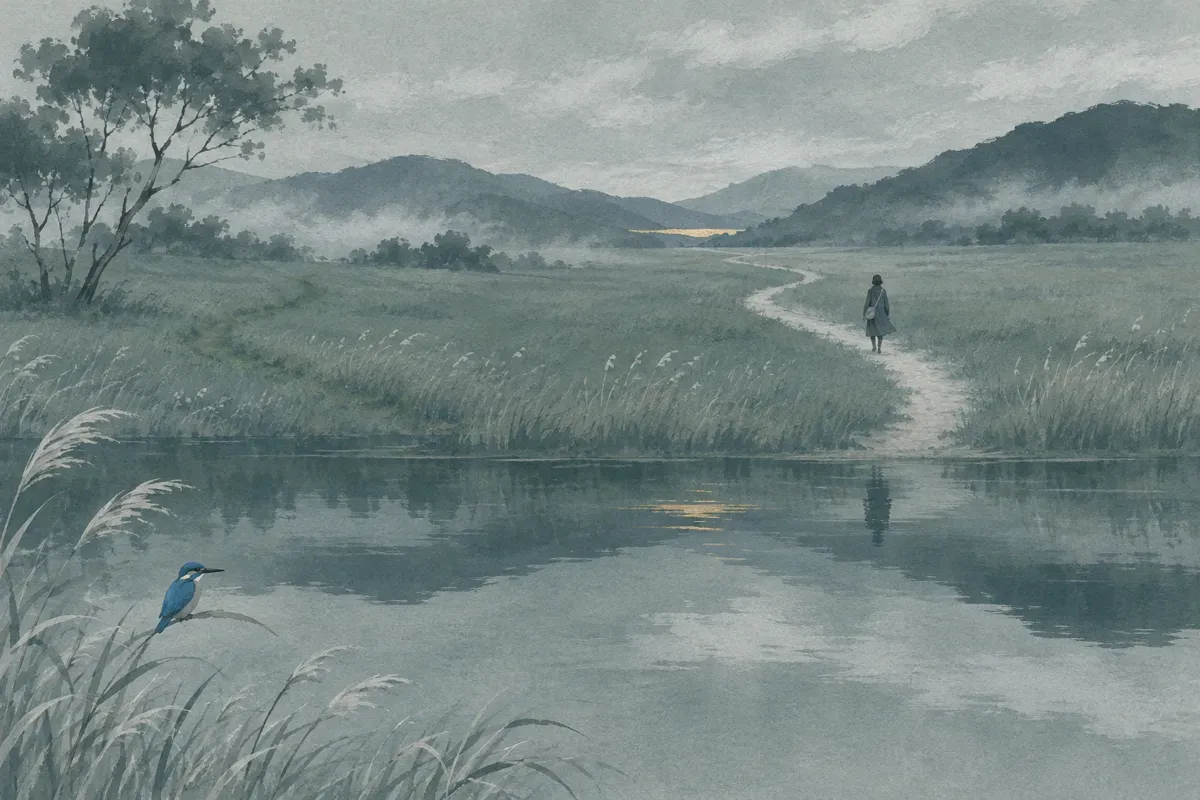
Come back to the meadow in a year. The old brown path is still there, but softer now. Grass is creeping back in at the edges, and after the spring rain you can barely see where it used to be muddy. A few metres to the left, through the gap in the hedge and past the apple tree, there’s a new path, narrow but clear. The man from the third floor walks his dog along it now. He has no idea who walked it first.
You’ll still sometimes find yourself on the old path. Everybody does. When you do, you won’t panic. You’ll smile, step to the left, and walk on through the grass that already knows your feet.
Today, notice one moment when your feet head down the old path, and take one step into the grass.