Chapter 12
Bigger Than Likely
Being realistic is just remembering out loud.
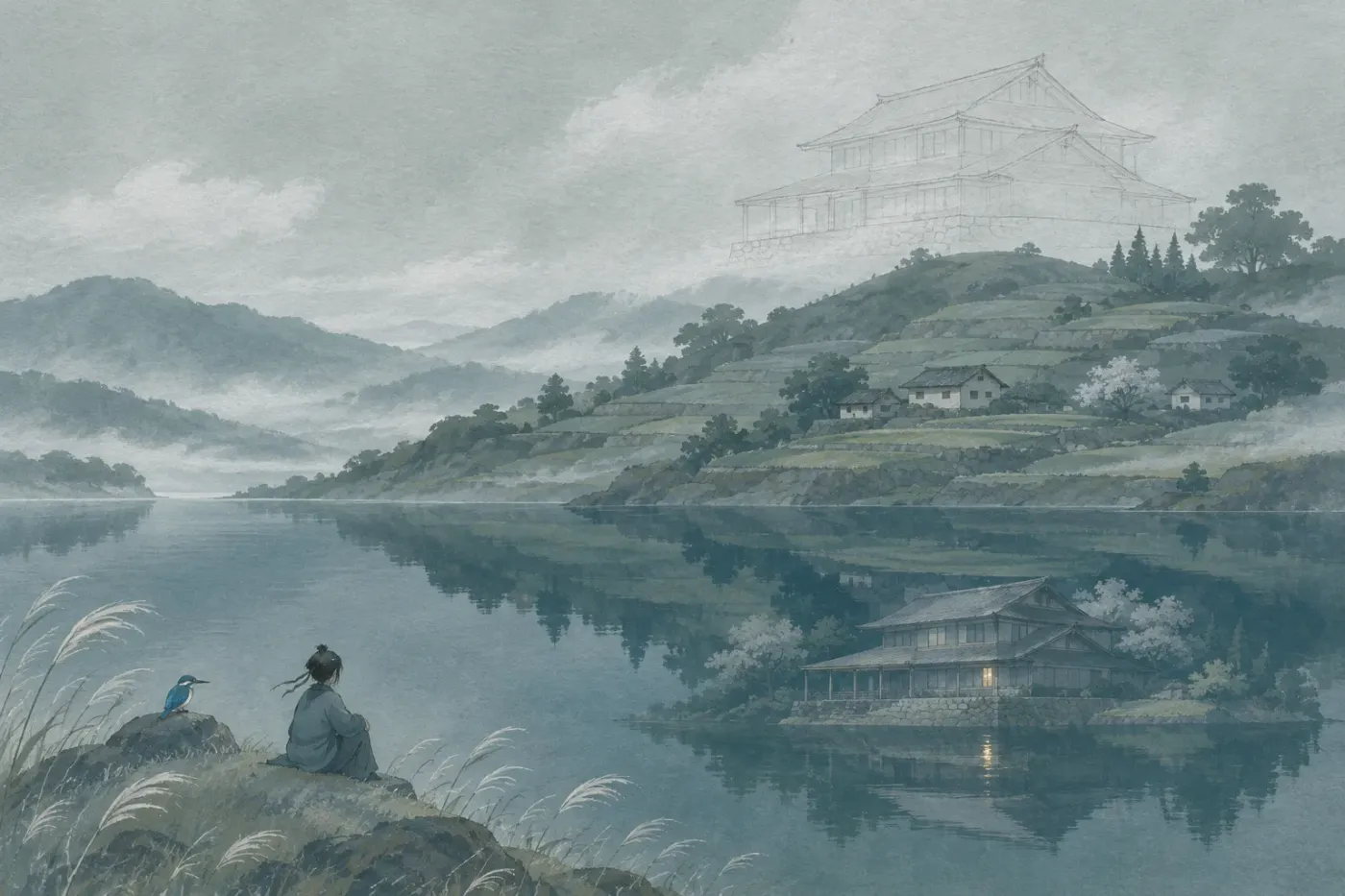
There was a long silence at the table when Rosa told her family she wanted to open a small guesthouse in the mountains.
Then the questions came, kindly, carefully, the way families ask when they’re trying to protect you. Do you know how many guesthouses fail? Who’s going to drive all the way up there? Have you thought about the winters? Be realistic, Rosa.
She was being realistic, in her way. She had stood on that hillside and seen it: the breakfast table by the window, and the hikers coming down at dusk. It was so real to her that she could have described the curtains. Her family were being realistic too, in theirs: they had looked at the past and drawn a map from it.
The map of yesterday
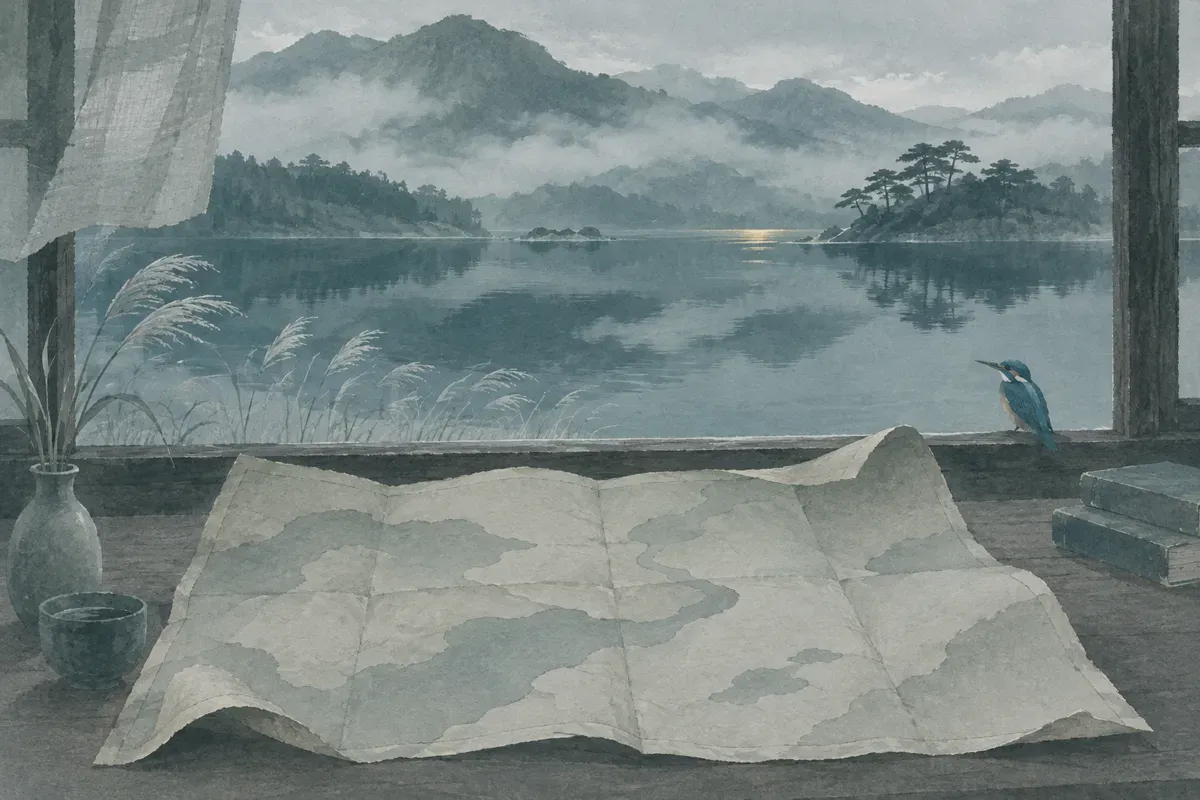
When people tell you to be realistic, what they really mean is: look at what has happened before, and expect it to happen again. Look at your history, your qualifications, your bank account, what usually happens to people like you, and stay within those lines.
Being realistic is just remembering out loud. The mirror doesn’t read your memories, though; it reads your assumptions, and if you assume tomorrow must look like yesterday, it kindly obliges. Far from protecting you from disappointment, realism schedules the same life again.
A closer lookBeing realistic is just remembering out…
Listen to how a realistic sentence is built. “People like me don’t get that.” “It never works out.” “That’s not how it goes.” Each one has the shape of a prediction, but the material is all memory. It takes what has already happened, and speaks it in the future tense.
That is a clever disguise. Memory has authority: it really happened, you were there. So when memory puts on the clothes of prediction, it sounds like wisdom. But the past can only tell you what the past contained. It has no information about what you have not yet been, because you haven’t been it.
Try an experiment. The next time you hear yourself say something realistic, add three words to the end: so far, anyway. “People like me don’t get that, so far, anyway.” “It never works out, so far, anyway.” Feel what happens in your body when the sentence becomes honest. The wall turns into a door that hasn’t been tried.
Then ask the question the map can’t answer: What would I assume if I had no history at all? Not a fantasy. Just a clean piece of paper, a new person at the same table.
Your history is valuable. Use it for what it is good at: finding your way around the places you have been. It is a fine map of yesterday. Only be clear about which day you are living in, and which one you are choosing to live from.
The mirror has never asked what is likely
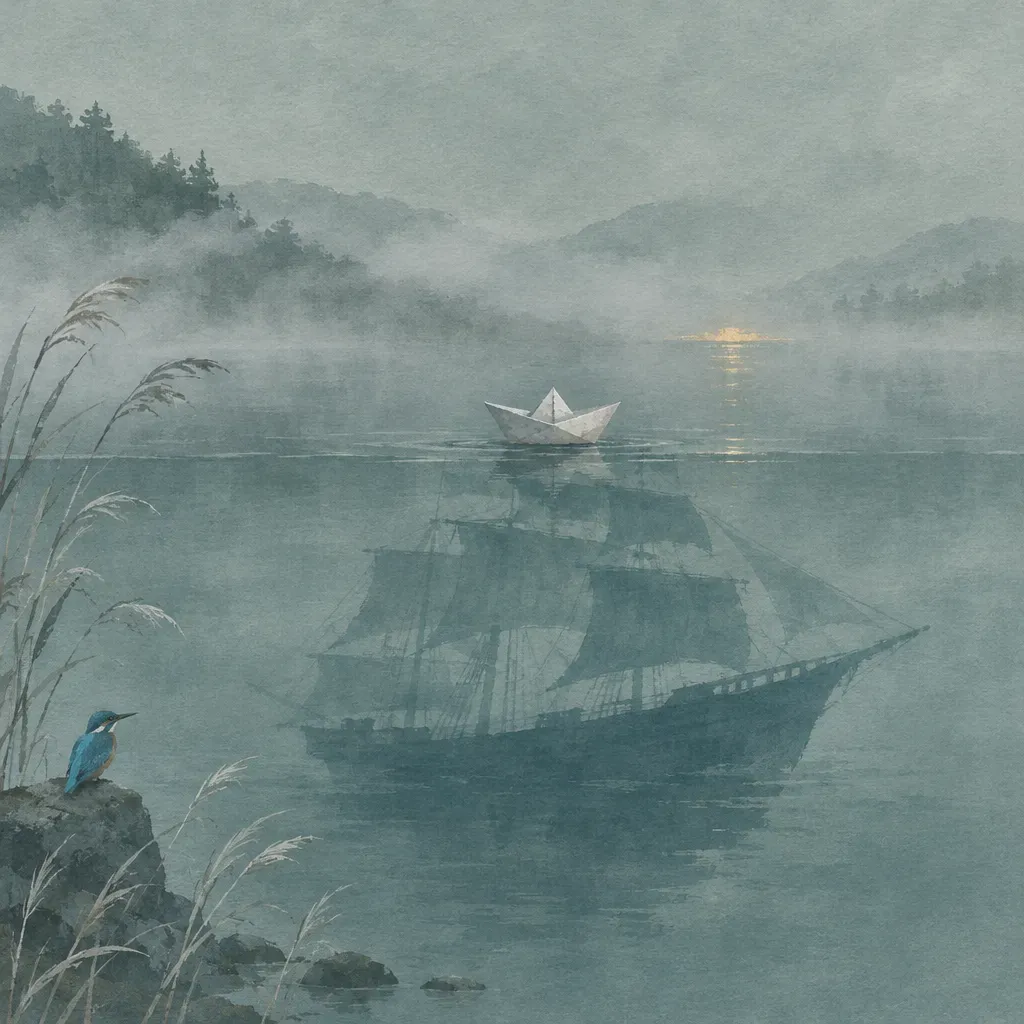
Every single thing that exists in the human world was once unrealistic. The bridge across the wide river. The vaccine. The woman who was first to do the thing women “didn’t do.” The small business that became the place everyone in town goes on Sunday. Before each of these, there was a moment when someone believed in something that the map of yesterday didn’t show, and was told, kindly, be realistic. They weren’t. They were certain.
The mirror doesn’t ask what is likely. It asks what you are sure of.
This doesn’t mean you ignore practical things. Rosa still had to find out about building permits and winter heating. But notice the order. She was certain first, and the practical details arranged themselves around her certainty. Her family started with the practical details, and certainty never came. When you’re certain, problems become puzzles to solve. When you’re “realistic,” the same problems become reasons to stop.
A closer lookWhen you're certain, problems become puzzles…
Here is what certainty actually does to a problem, in everyday terms.
Take two people facing the same obstacle: the permit that hasn’t arrived, the shop that needs a new supplier, the apartment where the owner hasn’t called back. The first has decided it is unlikely. For that person every obstacle is an answer. See? I knew it. They stop, and they feel oddly relieved at having been proved right.
The second has decided it is on its way. For that person the same obstacle is a question. Interesting. What do I do about this one? They phone someone. They look for another route. They try on a different Tuesday. The obstacle hasn’t changed in the slightest. What has changed is what the mind does with it. A puzzle invites you in. A wall asks you to go home.
This is the practical meaning of certainty. It isn’t a mood and it isn’t blind optimism. It is the decision about what your difficulties will mean.
You can use this tomorrow. When something blocks you, don’t ask “Does this mean it’s not meant to be?” Ask: If I knew it was coming, what would I do about this? Then do exactly that, however small. Send the email. Make the call. Draw a new plan.
You will notice that the question never requires you to know the final answer. It only asks for the next step, and the next step is always available, even from where you stand.
Where “realistic” really comes from
Listen closely to the voice that says be realistic. Where does it come from?
Sometimes it’s love, from people who don’t want to see you hurt. Very often it’s fear wearing the clothes of wisdom, passed on by people who once dreamed and were told to stop. “Be realistic” sounds mature and sensible. Underneath, it often means: I’m afraid. Don’t make me watch you try what I didn’t dare. None of this makes them bad people. It just means their map was drawn from their past, and you aren’t obliged to travel by it. Your own inner voice of realism works the same way: it’s the part of you that remembers every time things didn’t work and is trying to keep you safe by keeping you small.
Big things and small things
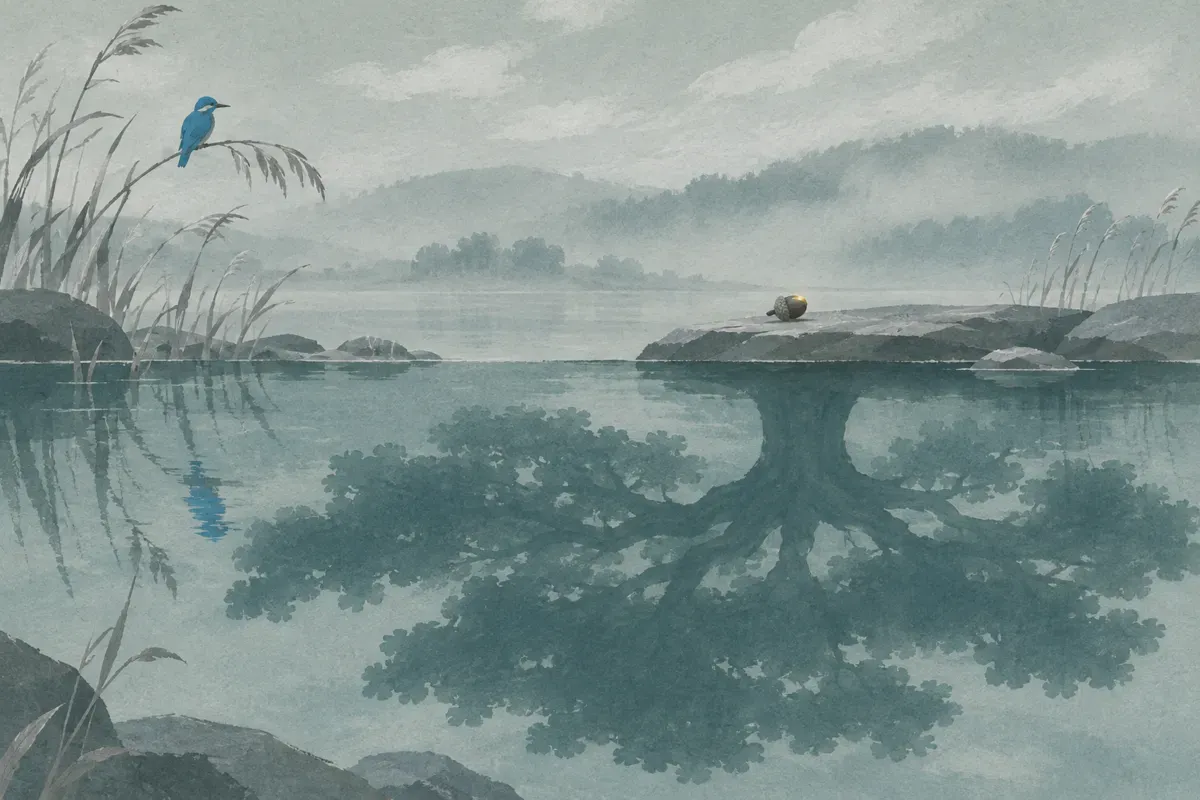
Here is something that will free you: to the mirror, there is no difference between a big thing and a small thing.
You find it easy to believe a parking space will appear, or that you’ll get a good coffee this morning. You find it hard to believe in a new career, or a sum of money with an extra zero. But the difference isn’t in the mirror. It’s only in you, in how likely you consider each one.
The mirror doesn’t measure size. It measures how natural something feels to you. Something that feels natural is reflected easily. Something that feels “too big” is reflected slowly, if at all, not because it’s big but because you hold it at a distance with your disbelief. So the work is to make your desire feel more ordinary, until the guesthouse feels as normal as a parking space.
A closer lookThe mirror doesn't measure size. It…
Most of us carry a secret ranking system for our wishes. A good coffee is easy. A new flat is a stretch. A different life is out of the question. We assume the ranking is out there in the world, that bigger things are simply harder for the mirror to produce.
But look at what the ranking is made of. It is made of you: of how often you have seen such a thing happen, of whether anyone in your family did it, of how foreign it feels in your mouth when you say it aloud. The distance between a parking space and a new career is not a distance in the world. It is a distance in familiarity.
This is excellent news, because familiarity can be built. You can’t make a thing smaller, but you can make it more ordinary.
Here is how to do it this week. Take the wish you’ve marked “too big”. Break it into surroundings, not steps. What does it look like on an ordinary Wednesday? What do you wear? What’s on the fridge? What do you say when someone asks, “How is it going?” Write ten tiny details of that Wednesday. Say the sentence aloud in the shower. Put an object from that life somewhere you’ll see it: a photo, a key ring, a postcard.
Each detail makes the wish a little more like a place you know. The mirror was never reluctant. You were simply far away, and now you are walking closer.
How to grow bigger than likely
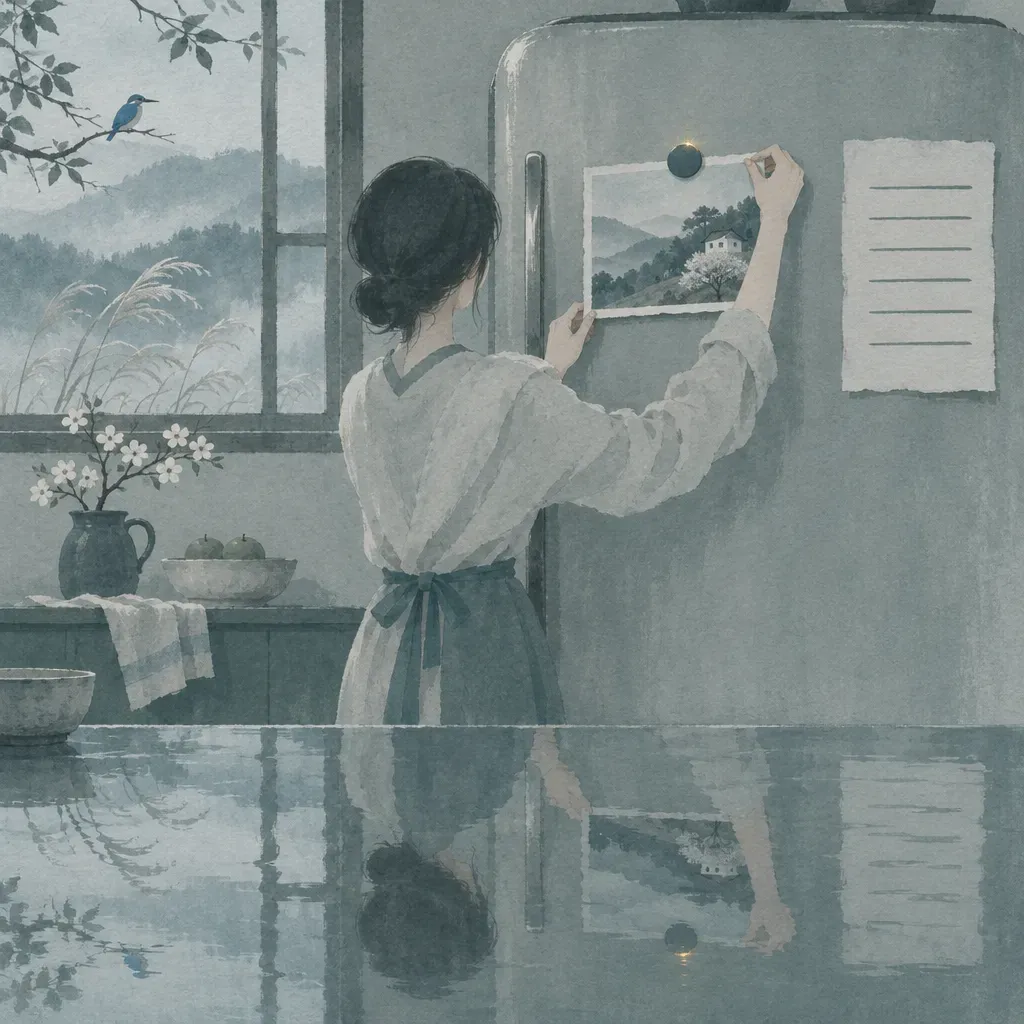
Live with the big thing in small ways. Rosa printed a photo of the hillside and put it on her fridge. She started a list of breakfast recipes. She wasn’t planning so much as getting used to it. Every small act made the big thing feel less far away.
Collect stories of the unlikely. Fill your mind with people who did what wasn’t supposed to be possible. You aren’t comparing yourself; the stories are there to stretch your map of what’s normal.
Stop asking how. The “how” is the realistic mind’s favourite weapon. How would that even happen? You don’t need to know. Nobody who did anything new knew how at the start. You decide the what, you hold it with certainty, and the how shows up as you walk, usually in ways you could never have planned from yesterday’s map.
Watch your language. Replace “that’s unrealistic” with “that’s new.” Replace “that never happens” with “that hasn’t happened to me yet.” Small words, but they move the walls.
The guesthouse
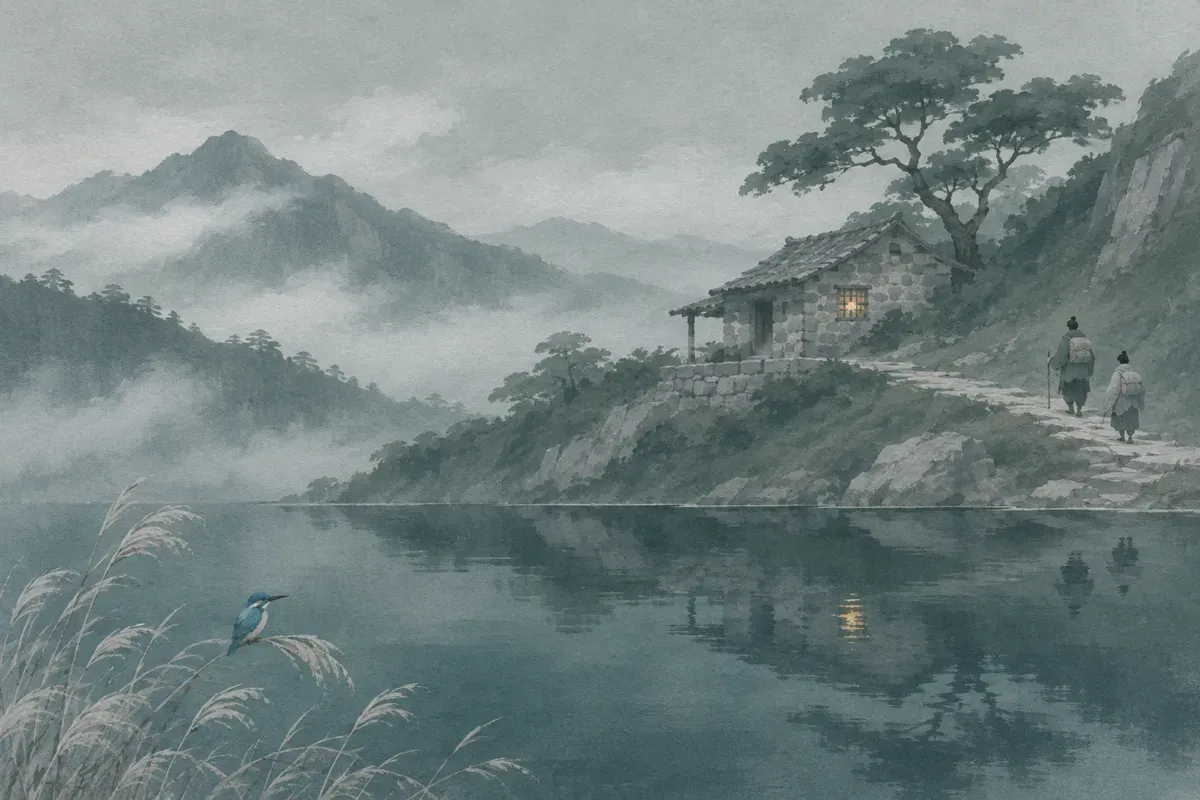
Rosa’s guesthouse opened two years later, after a winter of problems no one had predicted and a dozen solutions no one could have planned. The first guests were a couple walking the mountain trail who saw her sign and knocked on the door at dusk.
One evening, her mother came to visit. She sat at the breakfast table by the window, watched the hikers coming down the hill, and said quietly: “I didn’t think it was possible.”
Rosa poured her tea. “I know,” she said. “That’s all right. It was never your map.”
Today, take one “unrealistic” wish out of the drawer, and let it sit on the table.