Chapter 14
The End of Blame
Taking the pen back.
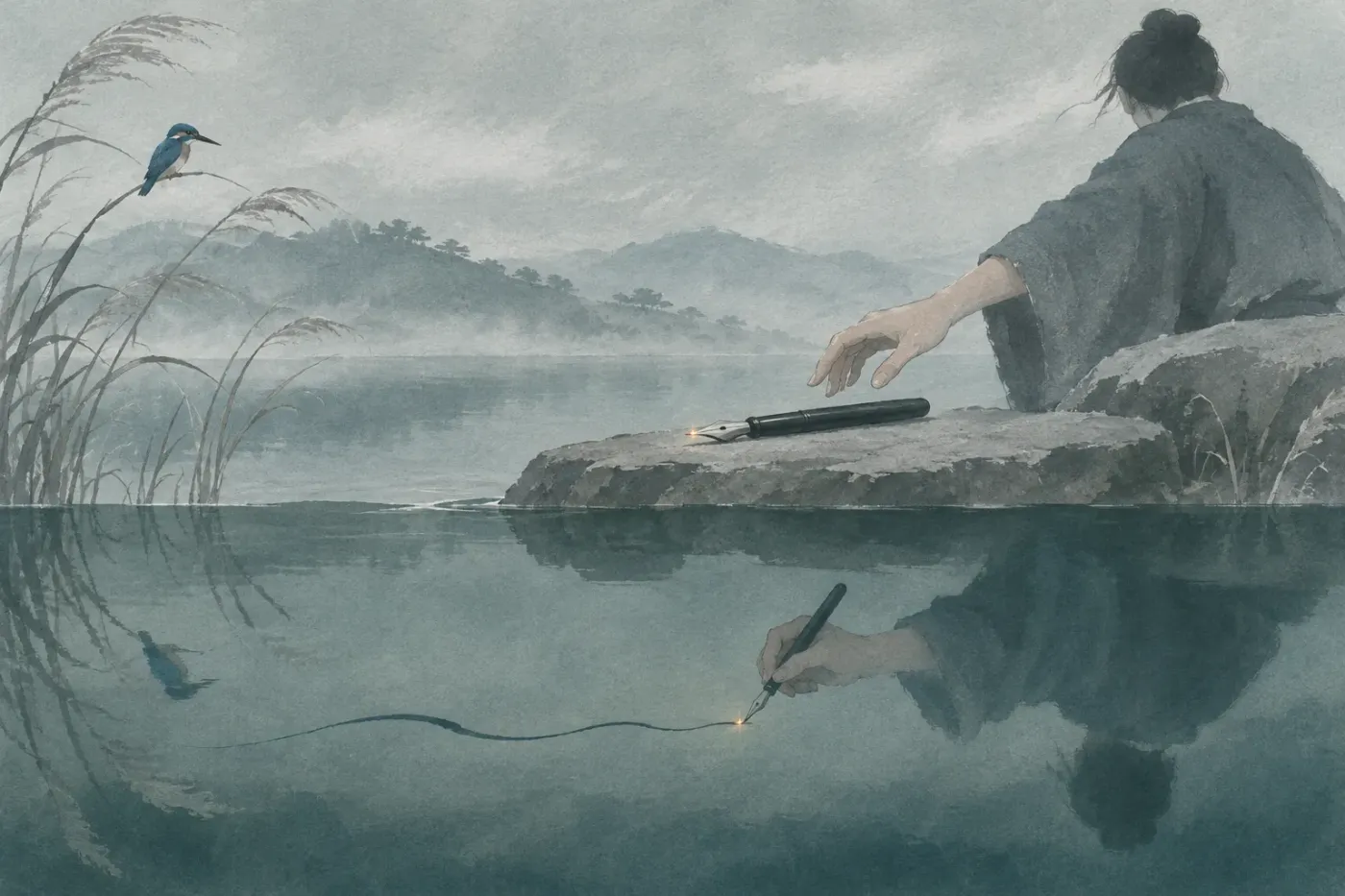
Pavol has a long list. It starts with his father, who was never satisfied, and runs through the first boss who stole his idea and the ex-wife who left at the worst possible moment, all the way out to the bank, the government, the economy, the city that’s too expensive and the country that never gives anyone a chance. He can explain, in detail and with real feeling, why each of them is the reason his life looks the way it does.
And he’s not entirely wrong. His father really was hard, and the boss really did take the idea. Every item on the list is true. But here is the strange price of that list: every name on it is holding a piece of Pavol’s life. And as long as they hold it, he can’t.
Who holds the pen?
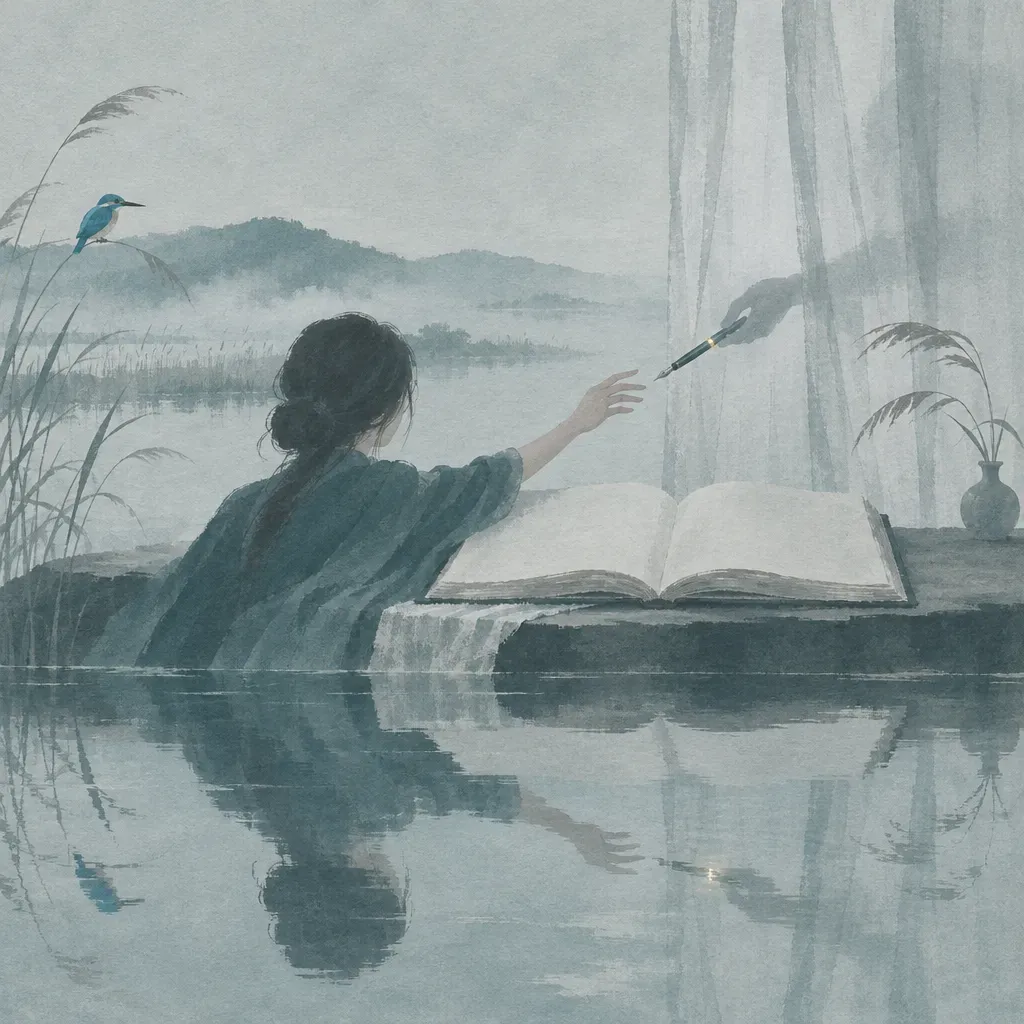
Imagine your life as a book being written, page by page. Whoever holds the pen decides what comes next.
This is why blame never brings the relief it promises. It gives you a moment of being right. But it leaves you powerless, waiting for the people you blame to change or apologise. They rarely do; they’re busy writing their own books.
Responsibility is not guilt

When you hear “take responsibility for everything in your life,” it can land like an accusation. So it’s my fault? I’m to blame for what was done to me?
No. Read this slowly, because it matters more than anything else in this chapter.
Guilt looks backwards and asks: who is at fault? It is heavy, and it changes nothing.
Responsibility looks forwards and asks: what will I do with this now? It is light, and it can change everything.
Taking responsibility doesn’t mean saying that the people who hurt you were right. It doesn’t mean pretending it didn’t happen, or excusing what shouldn’t be excused. You can take full responsibility for your life and still say clearly: that was wrong. You can still set boundaries, seek justice, walk away, ask for help.
What responsibility means is this: whatever happened, from here, the pen is mine.
You don’t have to accept the blame. You only have to take back the pen.
A closer lookYou only have to take back…
Notice how small this sentence is. It does not ask you to forgive, to forget, to feel peaceful, to understand why it happened, or to stop being angry. It asks for one thing: that from here, you write the next line.
Many people avoid responsibility because they think it comes bundled with all of that. They picture a long courtroom in which they must admit fault before they are allowed to move. So they stay where they are, right and stuck.
But a pen is an ordinary object. Taking it back looks like very ordinary moments. You stop waiting for the apology before you book the holiday. You stop telling the story of how they ruined it, and start telling a friend what you are building. You stop saying “I can’t, because of the situation,” and say “the situation is this, so my next step is that.”
Try it in a sentence swap. Take any line you say about your life and look for who holds the pen in it. My boss won’t let me grow. The boss holds the pen. Now rewrite it so the grammar puts you back: I want to grow, and this job isn’t giving me room, so I’ll ask, learn elsewhere, or leave. Same facts. Different author.
The relief is almost physical. You haven’t lifted the weight of what happened, but you’ve put down the heavier weight of waiting for someone else to write you free. And you will notice that the page in front of you, however small the first line, belongs to nobody but you.
The mirror, once more
Remember the mirror. It reflects what you are being. If you are being someone whose life is controlled by other people, the mirror shows you more people controlling your life. If you are being a victim of circumstances, it shows you more circumstances to be a victim of, as a reflection rather than a punishment.
Blame keeps you standing in front of the mirror pointing at the reflection, shouting at it to change. It can’t, being a reflection; only the one standing in front of the glass can change it.
So there’s a hidden gift in taking responsibility for everything, even what you didn’t consciously choose. The moment you say this is my life, and I’m the one who shapes it from here, you become the only person who can change it, and you no longer have to wait for anyone else.
Taking back the pen, one name at a time
You don’t have to take back the whole book in one day. Go name by name.
Choose one person or situation from your list, and ask yourself two things.
What am I still waiting for from them, and can I give it to myself? An apology, or recognition? Name it honestly. If you’re waiting for your father’s approval, can you give yourself the approval you needed? If you’re waiting for your ex to admit the truth, can you simply know the truth yourself, without needing their confession?
What will I write, now that the pen is mine? Not about them. About you. What’s the next page you want?
Each time you do this, a piece of your power comes home. You’ll feel it physically: a lightness, as if you’d put down a heavy bag you’d forgotten you were carrying.
The hardest names
Some names on the list will be very hard to release. Maybe someone did something to you that was truly wrong, that left real wounds. Releasing your blame can feel like letting them off the hook. But blame never kept them on the hook. It kept you there.
A closer lookBut blame never kept them on…
Blame promises something, and it is worth being honest about what. It promises that if you hold onto the name long enough, justice will somehow arrive. That they will feel it. That one day they will turn around and understand what they did.
Now look at who actually carries the blame around. Not them. They are at dinner, at work, asleep in their own bed. You are the one who rehearses the scene in the shower. You are the one whose stomach tightens at the sound of their name. The hook you imagined them hanging on has your coat on it.
This is not a sentence to be understood quickly, because it can sound like a request to let someone off. It isn’t. Accountability and blame are different tools. Accountability is practical: a complaint filed, a boundary spoken, a contract ended, a door closed for good. Blame is a feeling you keep alive in your own body, hoping it will do the work of those actions. It never has.
Here is something you can do today. Pick the name that costs you the most sleep. Write one sentence of what you want from the situation, not from the person: I want to be safe. I want to be paid what I’m owed. I want to stop hearing their voice in my head. Then ask what single action serves that, and whether it needs their agreement. Usually it doesn’t.
And if the person is still in your life and still hurting you, the action is allowed to be leaving. Protecting yourself is not weakness. It is the first thing the one who holds the pen does.
You can hold someone accountable, legally or in plain words, and still take your pen back from them emotionally. These aren’t opposites. In fact, people who have taken their power back are often the ones best able to stand up clearly for what’s right, because they’re acting from strength rather than from the wound.
And sometimes, a long time later, you may find something even freer than responsibility arriving on its own. Forgiveness, not as a favour to them, but as the final release of the last thing they held of yours.
Don’t force it or fake it; leave the door open. It tends to walk in on its own, once you’ve taken back enough pages.
Your own name
There’s one more name on the list, often the hardest one: your own. Many people stop blaming everyone else and immediately turn the blame inward. It was all me. I should have known better. That isn’t responsibility either. It’s just blame pointing in a different direction.
Treat yourself the way you’d treat anyone you’re releasing. You did what you could with what you knew. You were writing with a pen you didn’t know you held. Now you know, and that’s enough to start the next page with.
A closer lookYou did what you could with…
When people finally stop blaming everyone else, a quiet thing often happens: the finger swings round and points at them. I should have seen it. I let it happen. How could I have been so blind? It feels like honesty. It is actually the same old habit, wearing your own face.
Look at the time you are judging. You are standing in the present, with everything you have learned since, looking back at a person who did not have it yet. Of course they seem foolish. They were working with a smaller map. They were tired, or scared, or twenty-three, or loving someone who made it hard to see clearly. They chose the best option visible from where they stood.
You would not shout at a child for not yet knowing how to read. You would sit down and show them the next letter.
Here is a practice. Think of one thing you still blame yourself for. Picture yourself back then, in that room, at that age. Ask: what did I know? What did I need? What was I afraid of? Then tell that person, out loud if you can, what you would tell a friend: “You were doing your best with what you had.”
That is not an excuse. It is the ground you stand on to do better. Self-blame keeps you small enough that you never dare to write boldly. Compassion gives you the steadiness to correct course, apologise where an apology is owed, and begin again.
You were writing with a pen you did not know you held. Now you know. That is enough, and it is the whole beginning.
What Pavol wrote
Pavol didn’t throw away his list in one dramatic gesture. He went through it slowly, over a few months, name by name. Some came back easily. Some took a long time.
But one day he realised he’d stopped telling the story of why his life was the way it was. He’d started telling a different story, the one about what he was building now. The list was still true; it just no longer held the pen.
Today, take back the pen from one name.