Chapter 16
Thank You First
Gratitude is the feeling of already having.
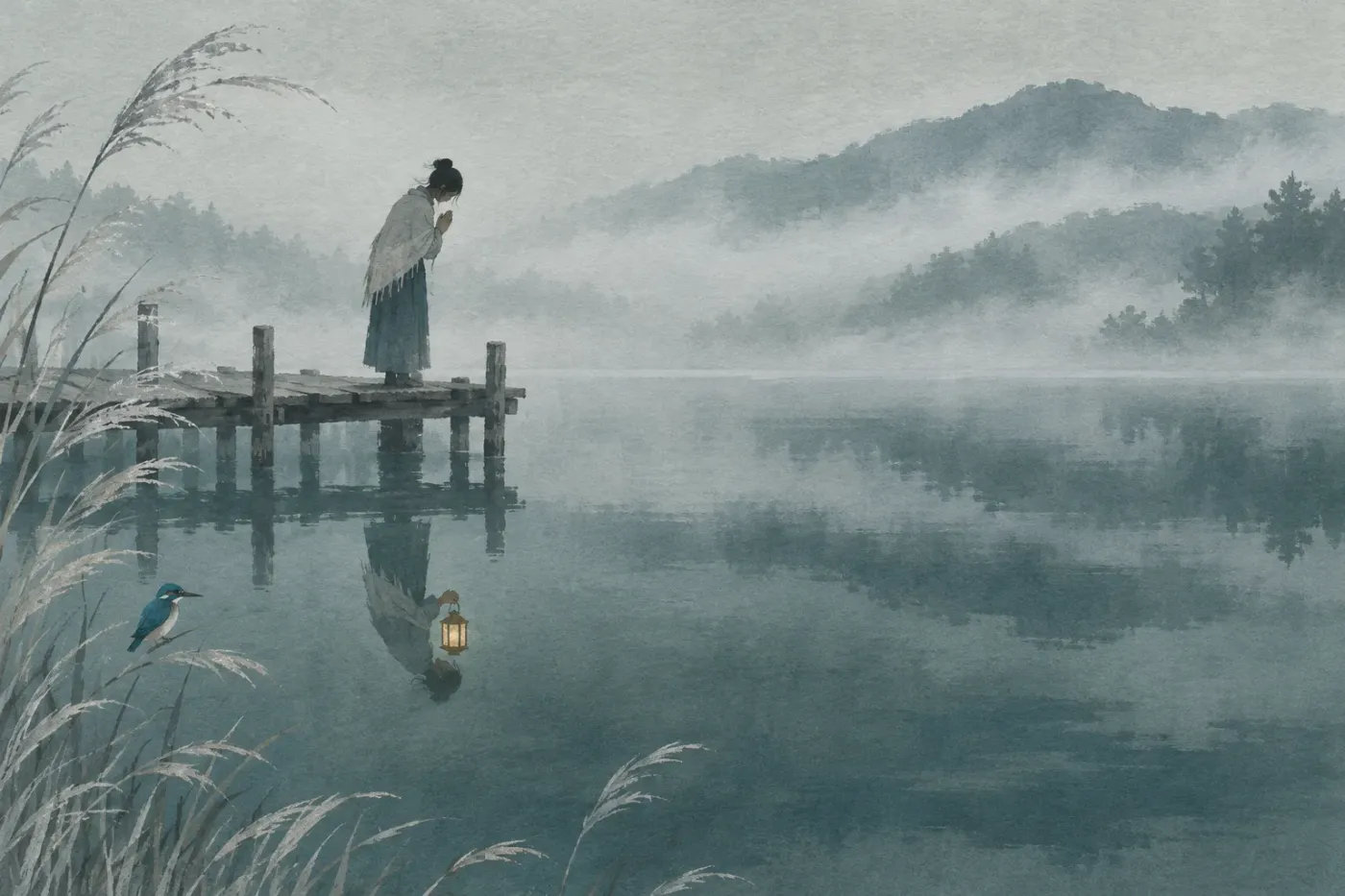
Every spring, Ivana’s grandmother planted beans along the fence behind her house. She did it the same way every year: on her knees, pressing each seed into the soil with her thumb, and saying quietly, Thank you.
Not please grow. Not I hope this works. Just thank you, to each seed, as if the beans were already climbing the fence and hanging heavy in the August sun.
As a little girl, Ivana once asked her why she thanked the seeds before they’d done anything. Her grandmother looked at her as if the question were strange. “Because they will,” she said.
The feeling of having
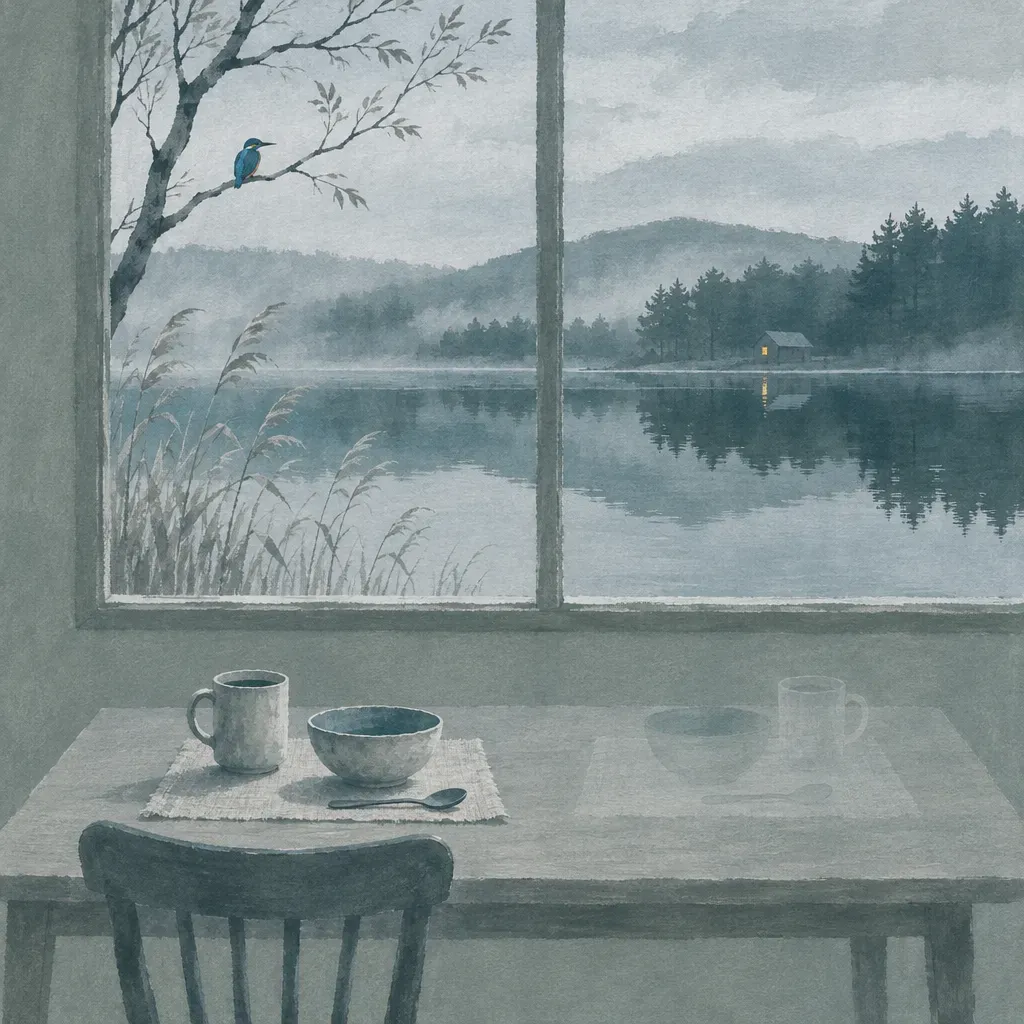
We usually think of gratitude as a reaction. Something good happens, and then we say thank you. Gift first, gratitude second. That’s polite and lovely, and it’s also the order of the reflection, the order in which you wait for the world to move first.
But gratitude has a secret. It is the only feeling that can’t exist alongside lack. You cannot feel truly grateful for something and at the same time feel that you don’t have it. Gratitude is the feeling of having, and the feeling of having is exactly what the mirror needs to see.
When you thank life for something before it arrives, you aren’t pretending. You are doing what the grandmother did: placing the feeling of the harvest in front of the mirror, so the mirror can reflect a harvest.
Three kinds of thank you
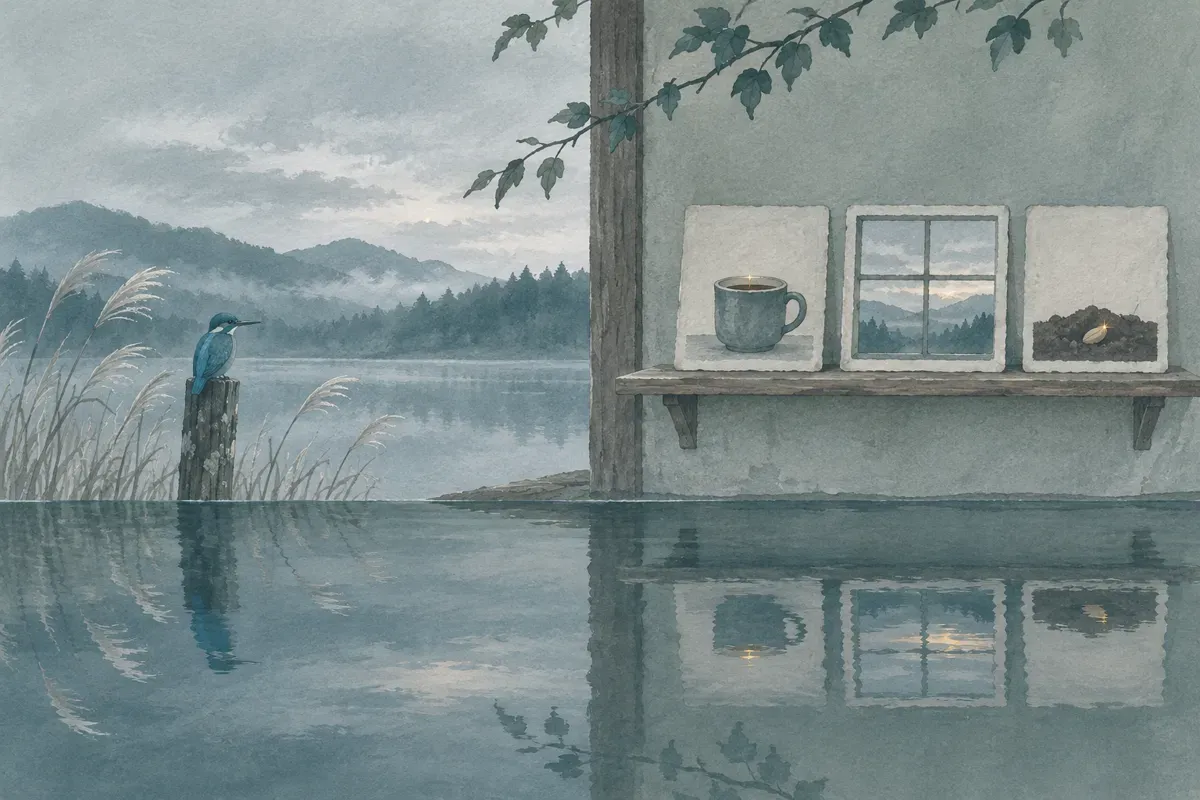
There are three ways to practise gratitude, and each opens a different door.
Thank you for what is. This is the foundation. The warm bed, the working hands, the people who love you even imperfectly, the water that comes out of the tap. You are surrounded, at every moment, by more than you could ever count. Most of it you stopped seeing long ago. When you begin to see it again, you discover that you’re already rich, and the mirror reflects a rich person.
Thank you for what is coming. This is gratitude in advance. You choose something you want, and you thank life for it as if it were already done. Not with desperation, but with the quiet certainty of the grandmother at the fence. Thank you for the work I love. Thank you for the home that’s coming. You let yourself feel, for a minute, what it will be like to have it, and you rest in that feeling.
Thank you for what was hard. This is the deepest one, and you don’t have to rush it. Some of the hardest things in your life have given you something: strength you didn’t know you had, or clarity about what you really want. Thanking the hard thing doesn’t mean wishing it had happened. It means refusing to let it be only pain, and taking the gift that’s inside it.
Gratitude is not the receipt. It is the invitation.
A closer lookGratitude is not the receipt
Most of us were taught thank-yous as a courtesy: something good arrives, and we pay it back with a word. That is the receipt, and it has its place. But if it is the only gratitude you know, you are always a step behind your own life, thanking things after they have happened.
Gratitude as an invitation works in the other direction. It is a state you step into on purpose, before there is anything to show for it. Think of the way you act when you are expecting someone you love. You tidy the table. You put a light on. You are already warm, because they are already on their way in you.
That is the feeling to find. Not a pretend delight, but a quiet knowing: this is arriving, and I am glad.
Here is a way to try it. Choose something modest you want this month: a steady week, an easy conversation, a small bit of money coming through. Sit for one minute and let yourself feel as if it were done. How do your shoulders sit? What do you do with your hands? Then say, plainly, “Thank you.” Not “please.” Not “I hope.” Just that.
Then get up and live one hour from that place. Answer the phone as the person who is already supplied. Cook the meal as the person who is already at ease.
A receipt tells you what has happened. An invitation changes what the room is ready for. You will find it much easier to be gracious than to be hopeful, and the world has always met graciousness more readily.
Why it works so quickly

Gratitude is one of the fastest ways to change what you’re placing in front of the mirror, for a simple reason: it changes your state immediately.
You can’t think your way out of a feeling of lack. But you can thank your way out. Try it the next time you feel poor or left behind. Start counting what you have, out loud if you can. Thank you for the coffee. Thank you for the message from my friend. Keep going. Within a minute or two something shifts: the weight lifts a little, and the world looks slightly different. That shift is more than a mood. It’s a new image in front of the mirror.
A closer lookYou can't think your way out…
When you feel poor, left behind or short of something, the mind rushes in with solutions. It makes plans, compares, calculates, argues. Sometimes that is useful. But the feeling of lack itself is not a problem that thinking can dissolve. You can’t argue it away, because the argument is made in the same room as the feeling, and the room is dim.
What works is a change of attention, and thanking is the simplest way to move it. You cannot count what you have and feel completely poor in the same breath. The two don’t share a seat.
So when lack arrives, don’t debate it. Switch to the plainest inventory you can. Out loud if possible: “Thank you for the tea. Thank you for the shoes that fit. Thank you for the bus that came. Thank you for the person who texted.” Keep going until the list runs out, then go again. Be specific. “Thank you for my left knee, which still carries me up stairs” works better than “thank you for my health.”
You are not covering up the lack with something cheerful. You are putting a second true thing beside it, and the second true thing is just as real. After a minute or two the feeling has more space around it, and you can decide what to do from a calmer place.
Make it a small tool you keep in your pocket: a one-minute inventory for the moment you notice yourself counting what is missing. It costs nothing, and it never runs out.
It also changes your eyes. When you’re grateful, you start noticing things that were always there but invisible to you: the kindness, the opportunities, the small coincidences, the help that comes from nowhere. Gratitude doesn’t only attract good things. It makes you able to see the good that’s already arriving.
When it feels false
Sometimes you’ll try to feel grateful and nothing comes. You say thank you and feel only emptiness, or even irritation. That’s all right.
Don’t force a big feeling. Go smaller. Instead of being grateful for your whole life, be grateful for the taste of water, or for the fact that this hard day will end. Gratitude grows from small, honest beginnings far better than from large, forced ones.
A closer lookGratitude grows from small, honest beginnings…
There are days when you try to feel thankful and it comes out hollow. You say the words and feel the gap between them and you. The temptation is to stop, or worse, to feel guilty for not feeling more. Both responses make the gap wider.
Go smaller. Smaller than you think you need to. Not “I’m grateful for my life,” which is too big to feel. Try “I’m grateful this chair holds me.” Try “I’m grateful for the first sip of water.” Try “I’m grateful this day will end.” These are honest, and honesty is what lets a feeling come alive. A small true thank-you lands in the body. A large false one just sits in the mouth.
You can also thank the effort itself. “Thank you, me, for trying to feel thankful on a hard day.” That is a real thing to be glad about, and it is warm.
Over time something shifts. The small thank-yous gather, like beans on a fence. You start noticing the kindness of a stranger, the light on the wall, a task that went smoothly. You start seeing what was always there. The seeing is not a trick; it is a skill you are building with every small, honest sentence.
Make it a habit with three anchors: one thank-you when you wake, one at a meal, and three good things before you fall asleep. They don’t need to be large. They only need to be true.
And if even that doesn’t come, simply be grateful for the wish to feel grateful. It’s a seed. Thank it, too.
Living with an open door
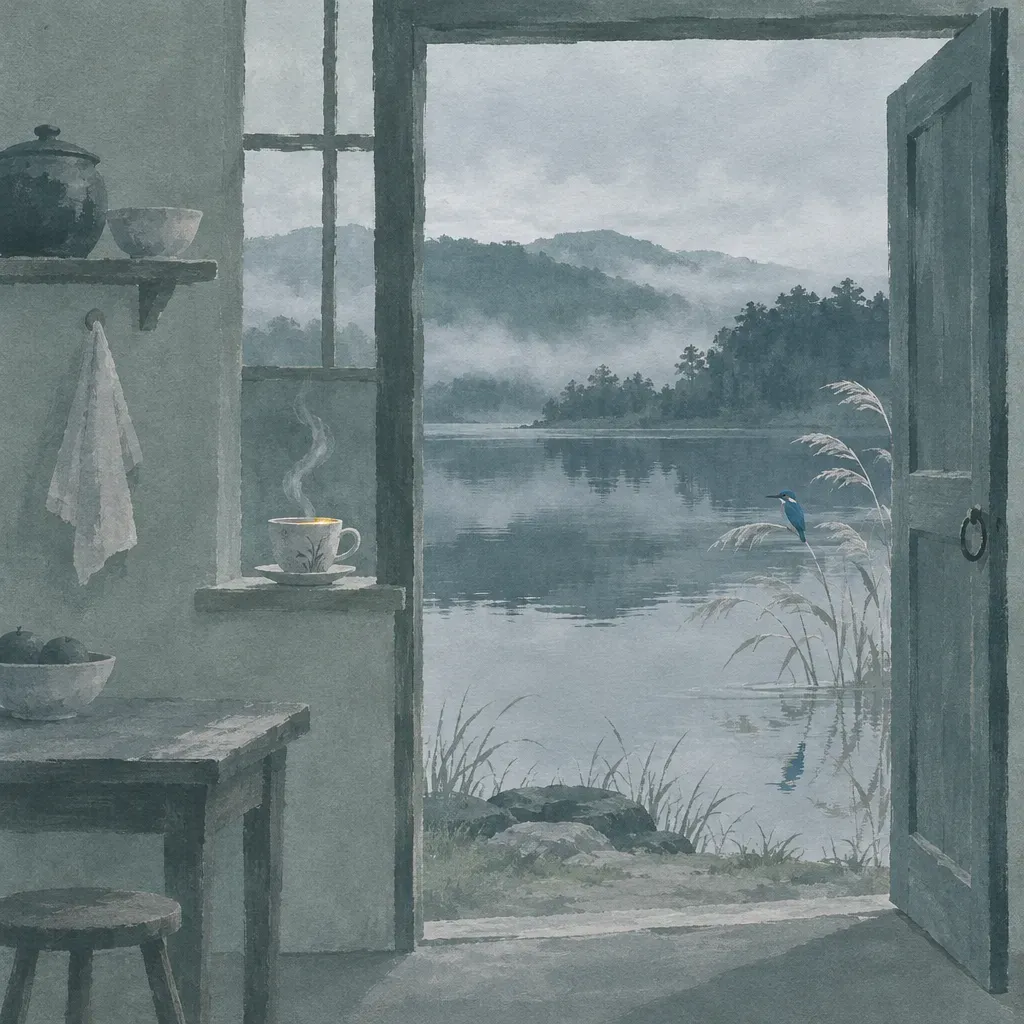
Make thank you a habit. Not a duty. A habit, like brushing your teeth. Say it when you wake up, before you even open your eyes: thank you for this day. Say it when you eat. Say it at night, listing three good things before sleep. Say it in advance for what you want, and say it again, warmly, when it comes.
Over time, gratitude stops being an exercise and becomes the way you see. The world begins to feel like a place that is constantly giving to you, and the mirror keeps proving you right.
The beans climbed the fence every year. Ivana’s grandmother never seemed surprised. She just thanked them again, on her knees in August, picking them into the pocket of her apron.
Today, thank life for one thing before it arrives.